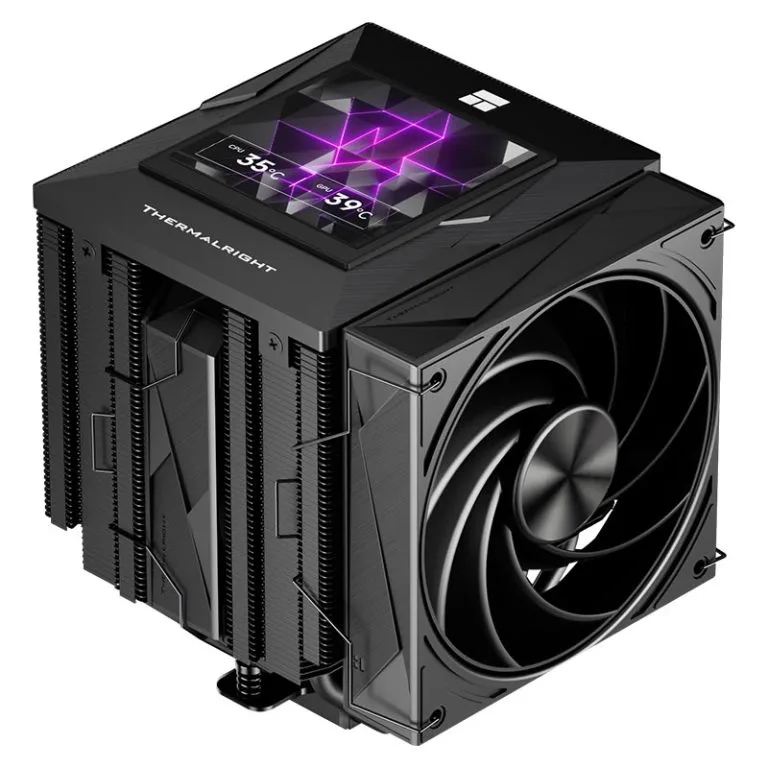
Thermalright Introduces Royal Pretor 130 Vision Cooler with Integrated 3.95-Inch Color Display
July 21, 2026
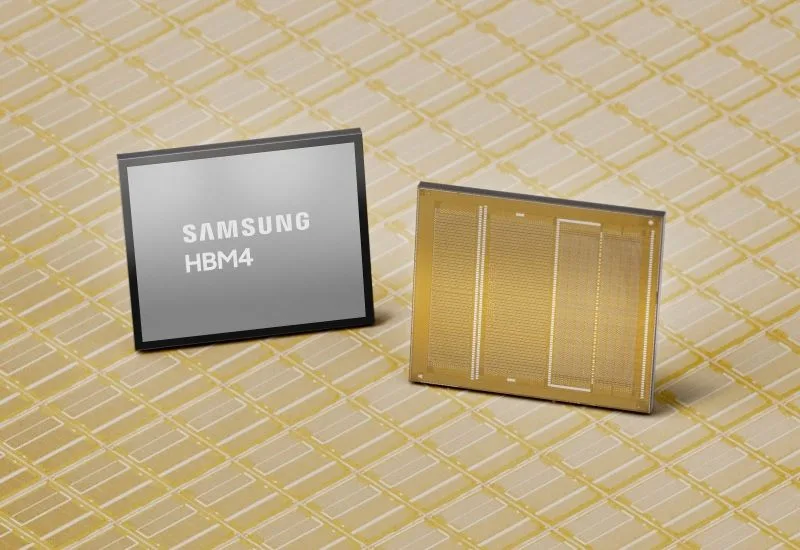
Nvidia has officially certified all three major suppliers of HBM4 memory, signaling a key milestone for its upcoming Vera Rubin server systems. These servers, expected to ship in the next quarter, will be equipped with the new Vera Rubin GPU accelerators that utilize the advanced HBM4 memory technology.
In a recent announcement, Nvidia’s CEO Jensen Huang confirmed that the company has successfully completed the certification process for the leading suppliers of HBM4 (High Bandwidth Memory 4). This approval ensures that the memory solutions meet Nvidia’s stringent requirements, enabling seamless integration into their upcoming server-class GPUs.
The Vera Rubin generation of servers is designed to cater to high-performance computing workloads, particularly in data centers focused on AI, machine learning, and scientific simulations. The incorporation of HBM4 memory is expected to provide significantly improved bandwidth and efficiency over previous memory standards, supporting the demanding computational needs of modern applications.
HBM4 is the latest iteration of high-bandwidth memory technology, known for its stacked architecture that allows for higher data transfer rates and lower power consumption in comparison to traditional DRAM solutions. By partnering with all of the top vendors in the sector, Nvidia is securing a robust supply chain capable of meeting production demands for its new accelerator lineup.
The Vera Rubin accelerators, which will leverage the certified HBM4 memory, are poised to play a pivotal role in advancing Nvidia’s presence in the server and data center markets. Although detailed specifications, pricing, and broader availability timelines for the Vera Rubin servers have not been disclosed, the approval of these key memory components marks a significant step forward in the rollout process.
Industry observers note that the synchronization between GPU advancements and memory technology certification is critical for maintaining performance leadership in the increasingly competitive AI hardware landscape. Nvidia’s progress illustrates the company’s commitment to pushing technological boundaries and ensuring that its products meet the rigorous demands of enterprise customers.
With shipments expected to begin next quarter, the Vera Rubin generation of servers could have a substantial impact on workloads that require enormous computational throughput, including AI model training, scientific research, and cloud computing services. The use of certified HBM4 memory components is instrumental in delivering the speed and efficiency gains necessary to address these challenges.
As server manufacturers and data center operators prepare for the arrival of these next-generation systems, alignment with Nvidia’s certified suppliers further strengthens the ecosystem supporting advanced memory technologies like HBM4. This collaborative approach is essential for fostering innovation and ensuring system stability in deployments that rely on cutting-edge hardware.
In summary, Nvidia’s recent certification of all three leading HBM4 memory suppliers confirms the company’s readiness to introduce the Vera Rubin servers with powerful GPU accelerators this coming quarter. This development is expected to advance performance capabilities in high-demand computing environments, reinforcing Nvidia’s position as a key player in the AI and server hardware sectors.
Nvidia approves all leading HBM4 memory vendors as it prepares to launch Vera Rubin servers with next-gen accelerators next quarter.