Silent PC Launches Waterproof AMD Ryzen 9000 Desktop Starting at $3350
June 20, 2026
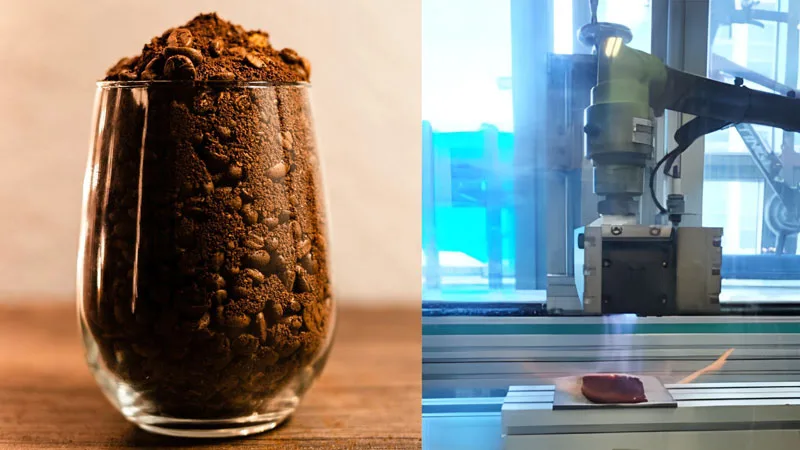
Researchers at the Korean Institute of Geoscience and Mineral Resources (KIGAM) have unveiled a groundbreaking process that converts wet spent coffee grounds into a high-quality biofuel in just 90 seconds. This innovation addresses a major challenge in recycling coffee waste—the high moisture content that traditionally requires energy-intensive drying before further processing.
Spent coffee grounds, a common byproduct produced in large amounts by coffee shops and households worldwide, typically contain a high level of moisture that impedes efficient conversion into usable biofuels or biochar. Existing methods necessitate drying the grounds, a step that consumes substantial energy and time, limiting scalability and sustainability.
KIGAM’s new approach bypasses this obstacle, enabling the direct conversion of wet coffee waste without the need for prior drying. The process yields a highly calorific biochar product, which can be utilized as a renewable energy source in various applications.
The rapid transformation—completed within 90 seconds—offers a practical solution for immediate processing at the point of collection, such as coffee shops. This could significantly reduce waste volume and provide a sustainable energy alternative, potentially creating a circular economy model in the coffee industry.
The institute’s breakthrough demonstrates how addressing the moisture issue with innovative technology can transform an abundant organic waste stream into a resource, contributing to greener energy solutions and waste management practices.
Details such as commercial deployment, pricing, or wider adoption timelines have not been disclosed, but the development marks a notable step toward sustainable bioenergy advances using everyday waste materials.
Scientists in South Korea developed a method to transform wet spent coffee grounds into high-energy biochar within 90 seconds, bypassing costly drying.