Silent PC Launches Waterproof AMD Ryzen 9000 Desktop Starting at $3350
June 20, 2026
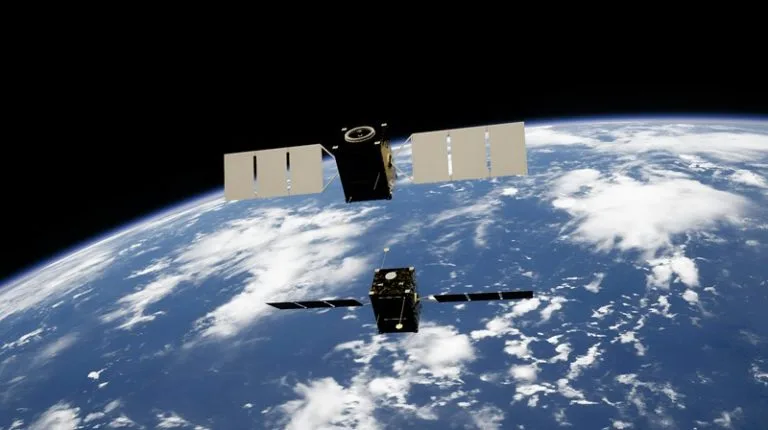
NASA is preparing for an unprecedented mission involving the use of a newly developed space tug to save the Neil Gehrels Swift Observatory, an astronomical satellite currently at risk of reentering Earth’s atmosphere. This initiative represents a milestone in space operations, as the observatory itself lacks onboard propulsion systems necessary to adjust its orbital path.
The Swift Observatory, renowned for its contributions to space science through the detection of gamma-ray bursts and other cosmic phenomena, has been slowly losing altitude due to atmospheric drag and natural orbital decay. Without intervention, it is expected to succumb to atmospheric reentry, effectively ending its scientific mission.
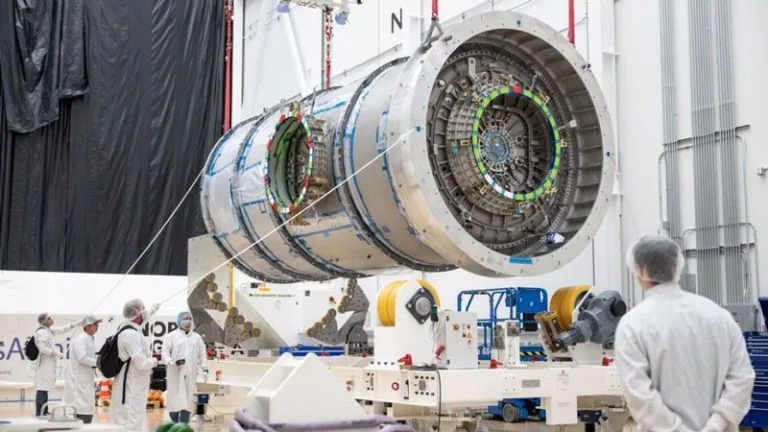
To address this challenge, NASA has developed a space tug—an autonomous spacecraft specifically designed to attach to satellites and reposition them in higher orbits. This technology has not been utilized in such a high-profile scenario before, making the upcoming operation a landmark achievement in satellite servicing and orbital maintenance.
The space tug will rendezvous with the Swift Observatory in orbit, where it will dock and subsequently execute maneuvers to raise the satellite’s orbit, counteracting the effects of orbital decay. This approach offers a new pathway for prolonging the functional lifespan of space assets that were not originally equipped with propulsion capabilities.
By extending the observatory’s operational lifetime, the mission preserves ongoing scientific research and valuable data collection without the immediate need for a replacement satellite. It also demonstrates the potential for future missions to maintain or repurpose aging spacecraft, thus reducing space debris and maximizing return on investment for space infrastructure.
This effort is notable for pushing the boundaries of current space technology, highlighting NASA’s commitment to innovation not just in exploration but also in the sustainable management of existing space resources. Further details regarding the mission timeline, operational procedures, and technical specifications of the space tug remain under close review as preparations continue.
The success of this mission could pave the way for new standards in satellite servicing, including refueling, repairs, or upgrades, significantly altering how space agencies manage their fleets in Earth orbit and beyond.
NASA aims to extend the life of Swift Observatory using a new space tug to boost its orbit and prevent its fall back to Earth.