
OneXPlayer Launches Portable Gaming Device with Intel Arc G3 Extreme Graphics Starting at $1399
June 23, 2026
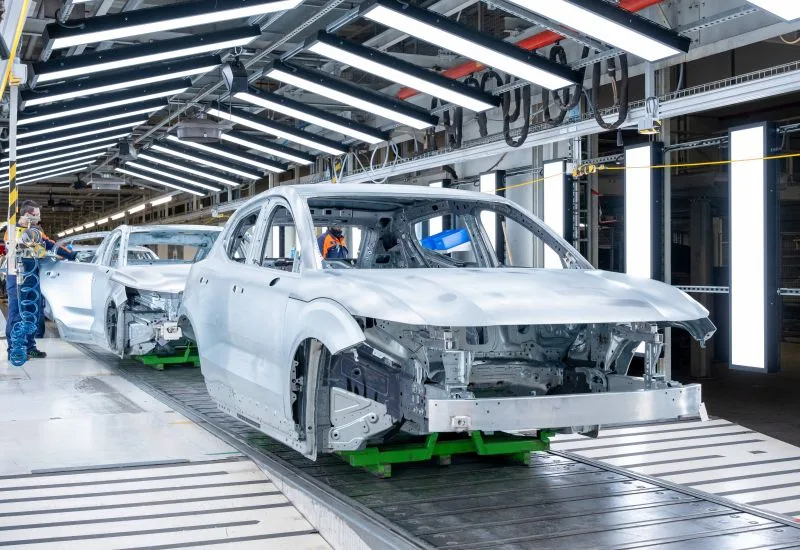
European automakers have issued a cautionary message regarding recent legislative efforts by the European Union aimed at bolstering the region’s technological independence. These initiatives, which seek to reduce reliance on external players such as the United States, are seen by industry leaders as potentially increasing costs for consumers across Europe.
Earlier this year, the European Union introduced a series of legislative proposals designed to enhance the bloc’s control over key technologies and ensure a self-sufficient technological ecosystem. Among the motivations behind these policies is the goal of establishing a degree of autonomy in critical sectors and mitigating external dependencies, particularly with regard to the U.S. technology landscape.
While the EU’s ambition has been framed as an effort to strengthen regional resilience and competitiveness, European car manufacturers have voiced apprehension about the practical implications of such moves. According to these industry representatives, the transition towards a more insulated technological model, often described metaphorically as a shift toward a ‘closed-loop’ or ‘natural economy,’ may not yield benefits for end-users.
Automotive companies suggest that attempts to decouple from established technology suppliers could result in disruptions to supply chains and innovation pipelines. This, in turn, is likely to drive up production costs, which would ultimately be passed down to consumers in the form of higher vehicle prices. Additionally, the potential restriction of access to certain foreign technologies could slow the pace of technological advancement within the European automotive sector, impacting product development and consumer choice.
The concerns echo broader discussions about the balance between pursuing strategic technological sovereignty and maintaining open global trade and innovation systems. With Europe’s automotive industry representing a significant portion of the region’s economy and employment, the outcomes of such policies bear considerable weight.
As the EU continues to advance its legislative agenda on technology sovereignty, industry stakeholders are urging policymakers to carefully consider the economic repercussions. Finding a path that safeguards regional interests without unduly burdening consumers will remain a key challenge in the development and implementation of these strategies.
European car manufacturers caution that the EU’s efforts to achieve technological independence may lead to higher expenses for consumers.