
Chinese Scientists Develop Artificial Human Embryos Capable of Growing Organs
June 26, 2026
The Netherlands has stepped forward to defend its semiconductor equipment industry amid mounting trade tensions between the United States and China. This week, Dutch Trade Minister Sjoerd Sjoerdsma traveled to Washington, D.C., where he met with U.S. Trade Representative Howard Lutnick and members of Congress to discuss the potential impact of proposed export control legislation.
The discussions centered on the MATCH Act, a bill introduced in the U.S. Congress that seeks to restrict Western companies from supplying semiconductor manufacturing equipment to China. The legislation is part of a broader effort by the U.S. government to limit China’s advancement in critical technology sectors, particularly in the production of advanced microchips.
Minister Sjoerdsma urged U.S. officials to reconsider the proposed restrictions, emphasizing the importance of maintaining open trade channels for semiconductor tools. The Dutch government views these export controls as potentially harmful not only to the global technology supply chain but also to international partnerships and economic stability within the semiconductor industry.
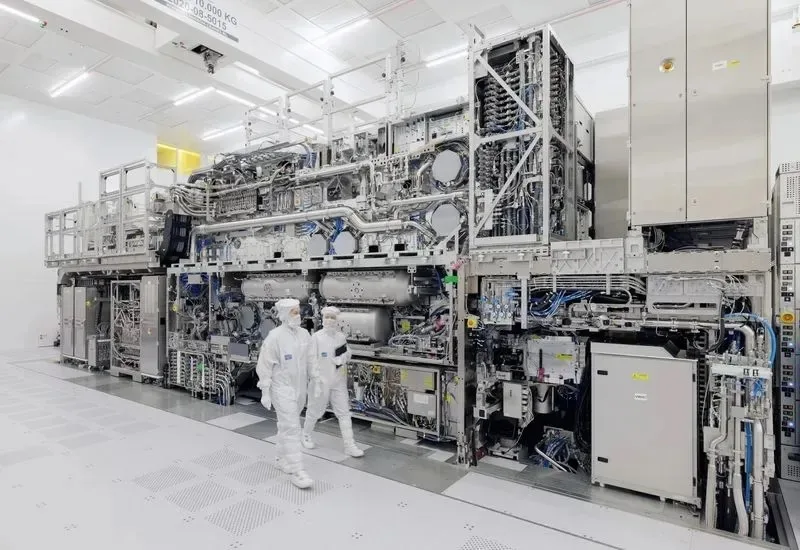
ASML, the Dutch company specializing in lithography systems essential for producing cutting-edge semiconductor chips, is at the heart of the controversy. The company supplies advanced equipment critical for fabricating smaller and more powerful microchips. The Dutch government’s intervention signals an intent to protect ASML’s ability to conduct business internationally, including in the Chinese market.
While the details of the discussions remain confidential, the involvement of the Netherlands reflects growing concerns among allied nations about the implications of aggressive U.S. export controls on the technology ecosystem. The semiconductor supply chain is highly globalized and interdependent, and restrictions risk disrupting key production capabilities and innovation worldwide.
Trade officials from the Netherlands have highlighted the potential consequences for European companies if such legislation were enacted, noting that severe export bans could lead to retaliatory measures and broader trade conflicts. At the same time, the Dutch government supports efforts to ensure that advanced technologies are used responsibly and in accordance with global security norms.
As negotiations continue, industry observers are closely monitoring the evolving diplomatic exchange. The outcome will likely influence not only the semiconductor market but also the future balance of technological influence between leading global powers.
For now, the Netherlands’ engagement underscores the complexity of managing high-tech trade policies amid geopolitical competition, reflecting the challenges of safeguarding economic interests while addressing national security concerns.
Dutch trade minister appeals to US lawmakers to avoid banning semiconductor equipment sales to China, backing leading company ASML.