DDR4 4GB Modules Resurface Amid Global Memory Shortages Driven by AI Server Demand
June 26, 2026
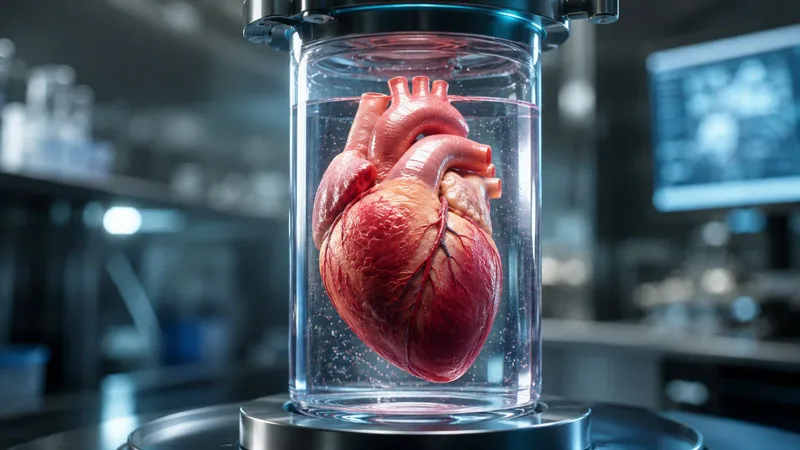
Chinese biologists have announced a groundbreaking achievement in the field of developmental biology and organ transplantation. Researchers from the Institute of Zoology at the Chinese Academy of Sciences reported the successful creation of laboratory models of human embryonic discs that not only simulate early human development but also initiate the formation of fundamental organ cells.
This pioneering development represents the first known laboratory instance where artificial human embryo models have demonstrated the capacity to autonomously form basic cell types that give rise to organs. This leap forward holds significant promise for the future of transplantation medicine, particularly in custom-growing organs for patients in need of transplants.
While prior efforts in artificial embryo research largely focused on replicating the initial stages of embryonic development, the latest work from Chinese scientists advances the field further by successfully inducing the formation of progenitor cells that are the precursors to vital organs. This capability suggests the potential to harness these models for growing specific human organs in laboratory conditions, tailored to medical requirements.
The development of such artificial embryonic discs means that scientists can study early human development more precisely and ethically, while also paving the way for breakthroughs in regenerative medicine and personalized transplantation therapies. The method could eventually lead to reducing the dependency on organ donors and mitigating issues such as organ rejection by growing replacement organs derived directly from a patient’s own cells.
This advance aligns with an expanding body of global research exploring the intersection of stem cell science, synthetic biology, and organogenesis. However, the Chinese team’s achievement stands out as a significant milestone due to the successful cultivation of organ-forming cells within engineered embryonic structures.
Though detailed technical specifications and timelines for clinical applications have not been disclosed, this scientific breakthrough highlights the potential for artificial embryo technology to transform healthcare, offering new avenues for treating a range of diseases and conditions through lab-grown organs.
Researchers in China have created artificial human embryo models that form foundational organ cells, marking a major advance in transplantation medicine.