App Store Sees Surge in New Apps Amid Growth of No-Code Platforms in Early 2026
July 21, 2026
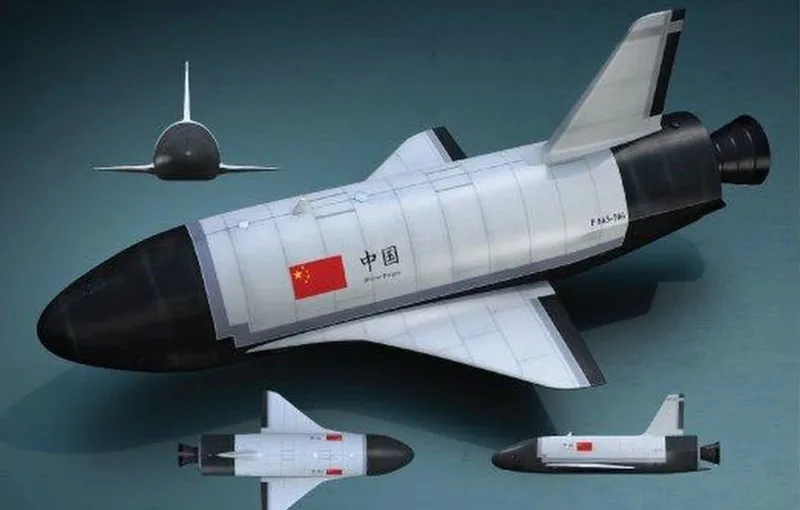
On February 7, 2026, China successfully launched its reusable spaceplane on its fourth flight, continuing its efforts to advance low-cost, reusable space technologies. The mission, conducted from the Jiuquan Satellite Launch Center located in the Gobi Desert of northwestern China’s Gansu Province, involved the deployment of a spaceplane carried by the Changzheng-2F launch vehicle.
The launched payload was a multi-use space shuttle commonly referred to as Shenlong, a key project in China’s aerospace development. Unlike traditional spacecraft that usually require costly refurbishment or disposal after a single use, the Shenlong is designed to land on a conventional runway, similar to conventional aircraft. This capability is intended to lower the operational expenses associated with space missions by enabling rapid turnaround and reuse of the vehicle.
This flight marks the fourth occasion on which China has put the Shenlong spaceplane into orbit, underscoring ongoing investment in reusable aerospace technology. While official details about the specific objectives of this mission have not been disclosed, the classified nature of the flight reflects China’s strategic interest in maintaining and advancing its capabilities in both civilian and potentially military aerospace domains.
The launch occurred early in the morning local time at 06:55 (Moscow time), utilizing the robust Changzheng-2F rocket, known for reliably transporting heavy payloads into orbit. The Jiuquan facility, often chosen for key launches, is situated in a remote area conducive to such high-profile aerospace activities.
China’s pursuit of reusable spacecraft aligns with a global trend toward more sustainable and cost-effective access to space. While the Shenlong project remains largely shrouded in secrecy, it reflects the nation’s ambitions to compete with other spacefaring nations by developing innovative systems that can be used repeatedly without massive refurbishment costs.
Overall, the continued missions of the Shenlong spaceplane demonstrate China’s commitment to expanding its aerospace capabilities with technologies that could serve a variety of applications, including satellite deployment, scientific research, and defense objectives. The runway landing approach can significantly reduce turnaround time and extend the operational lifespan of the vehicle, marking a strategic step forward in spaceplane development.
Further details about the mission’s outcomes and future plans for the Shenlong program have not been released, keeping the focus on the technological progress achieved through this successive reuse of the spaceplane.
China launched its reusable Shenlong spaceplane on its fourth secret mission from Jiuquan, aiming to reduce space operations costs.