App Store Sees Surge in New Apps Amid Growth of No-Code Platforms in Early 2026
July 21, 2026
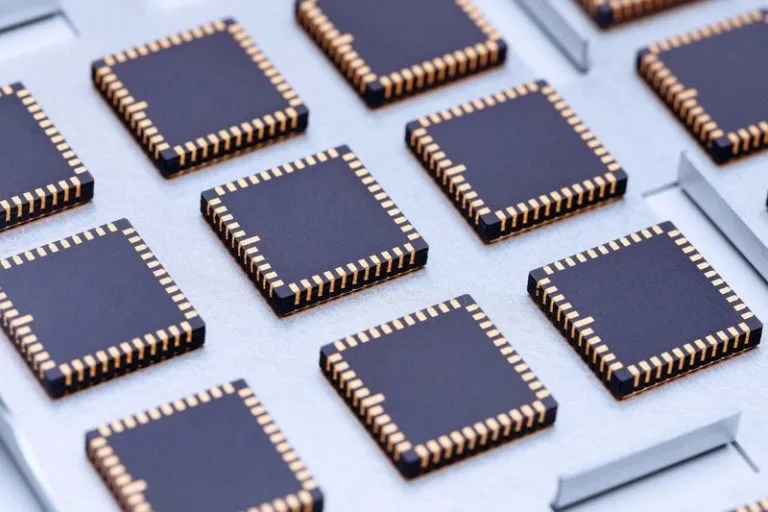
In recent months, the price of memory chips has seen a notable climb, impacting a variety of industries worldwide. This surge, which gained momentum in the second half of last year, has posed challenges to manufacturers reliant on these components, including those in the gaming sector.
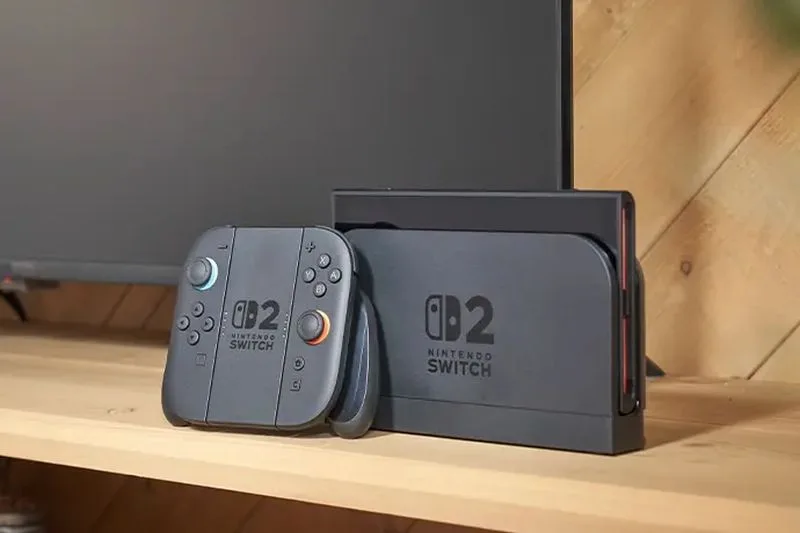
Despite the broader market pressures on semiconductor prices, Nintendo’s management has expressed confidence that the increase in memory costs will not substantially disrupt the company’s operations or financial performance through the end of March 2026. The company acknowledged that memory prices have risen more quickly than initially projected but indicated that this trend is not expected to significantly affect their console business within the stated period.
Gaming consoles, which incorporate various memory components essential for performance and storage, have not been immune to recent supply chain stresses. However, Nintendo’s current production and inventory strategies appear sufficient to mitigate immediate financial strain caused by these price fluctuations.
The ongoing volatility in semiconductor markets continues to be a key factor for technology companies globally, with escalating costs influencing manufacturing expenses and potentially shaping consumer pricing strategies. Nintendo’s outlook through the March timeframe suggests a controlled approach to managing these challenges, possibly leveraging supply agreements or buffered inventories.
While the memory price hikes represent a broader industry concern, Nintendo’s cautious yet optimistic stance highlights its resilience within the competitive console landscape. The company has not disclosed detailed financial guidance or specific measures addressing future quarters beyond March but remains vigilant of the evolving component costs.
As semiconductor prices and supply conditions evolve, stakeholders across the gaming industry and technology manufacturing will be watching for any shifts that could influence product availability and market dynamics later in 2026.
Nintendo anticipates rising memory chip costs will not significantly affect its business performance through the end of March 2026.