Tokyo Researchers Enhance Inkjet Printing of Electronic Circuits Inspired by Carbonated Drinks
July 11, 2026
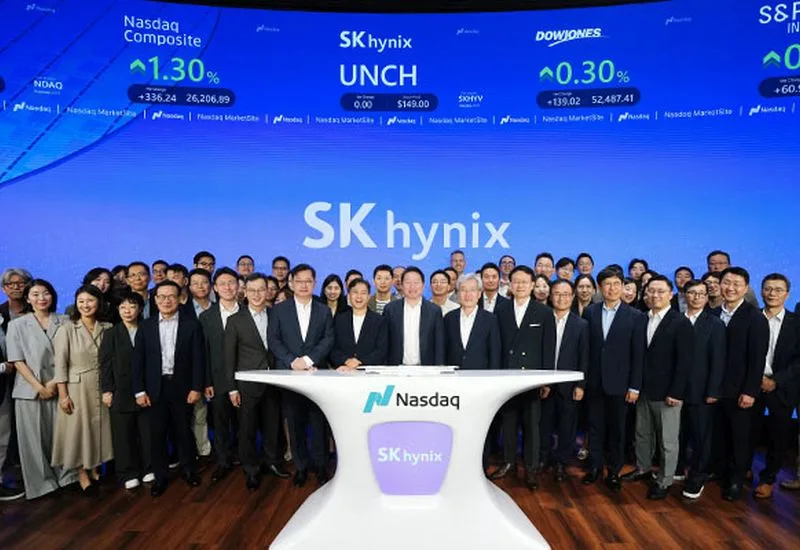
The global memory chip shortage is expected to reach its highest point in 2027, according to SK hynix’s Chief Executive Officer Kwak Noh-jung. The South Korean memory giant’s leader provided these insights during a visit to the United States, where the company celebrated the issuance of American Depositary Receipts (ADRs).
In an interview with Reuters, Kwak outlined the outlook for the memory chip supply landscape. He indicated that while the shortage will peak in the coming year, market imbalances are projected to persist well into the 2030s. This expectation highlights long-term concerns regarding the balance between demand and supply in the memory sector.
SK hynix, a major player in the semiconductor industry, plays a crucial role in supplying dynamic random-access memory (DRAM) and NAND flash memory, which are essential components for a wide range of technology products including smartphones, data centers, and personal computers. The announcement underscores the continued constraints faced across these markets.
The industry-wide shortage has been driven by rising global demand, fueled in part by expanding digital infrastructure, cloud computing, and consumer electronics that increasingly rely on memory-intensive applications. Simultaneously, production complexities and capacity limitations remain significant hurdles.
Kwak’s remarks came during a gathering of company leaders in the U.S., marking SK hynix’s efforts to strengthen investor relations through its ADR program. This move allows American investors to participate more directly in the company’s stock, reflecting SK hynix’s growing international presence.
While the executive did not disclose specific measures SK hynix plans to undertake in response to the prolonged supply situation, the forecast implies ongoing pressure within the memory chip markets. Industry watchers will be closely monitoring how manufacturers adjust capacity expansion, research and development, and supply chain strategies to address these challenges.
The confirmation of a memory shortage peaking in 2027, but extending beyond 2030, signals a critical period ahead for technology companies that depend on consistent and affordable memory supplies. Balancing supply constraints with rapidly evolving demand patterns will likely remain a defining issue for the semiconductor sector throughout the next decade.
SK hynix CEO forecasts the global memory chip shortage will peak in 2027 and continue to affect the market well into the next decade.