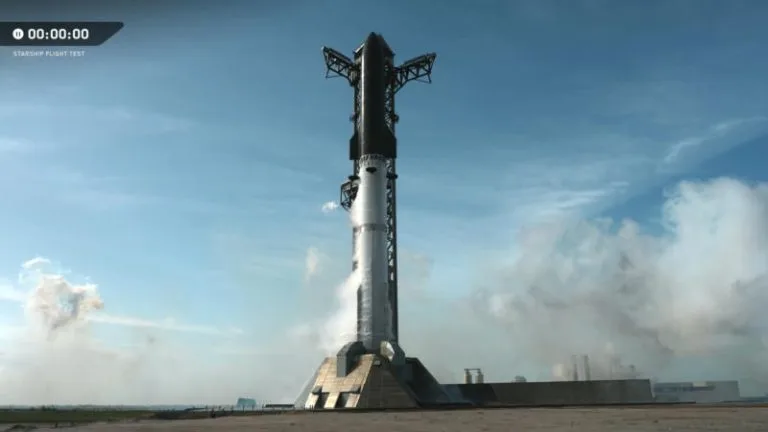
SpaceX Cancels Starship Test Launch at Final Moment Due to Engine Issues
July 17, 2026
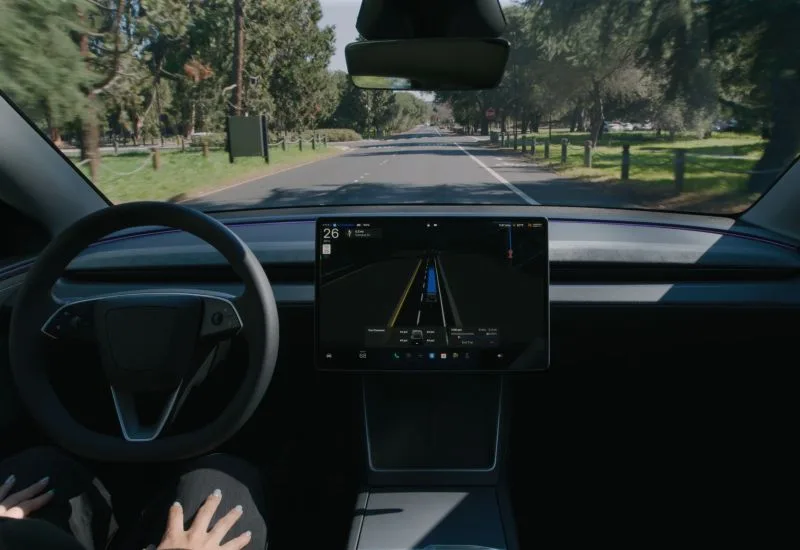
The early-stage investigation into a deadly collision involving a Tesla Model 3 in Texas has verified that the driver manually took control of the vehicle by pressing the accelerator pedal shortly before the crash. This action disabled Tesla’s proprietary autopilot system just seconds prior to the Model 3 breaking through the wall of a residential home, resulting in the death of an occupant inside.
Authorities examining the circumstances of the accident have corroborated Tesla’s initial assertions that the driver overrode the autopilot system, a move that was pivotal in the sequence of events leading up to the tragic incident. The Model 3, an electric vehicle renowned for its advanced driver-assistance features, was reportedly traveling at high speed when the driver’s manual input interrupted the automated driving system.
The crash, which garnered significant attention due to the involvement of Tesla’s autopilot technology, raised questions about the system’s role and limitations in real-world scenarios. While Tesla representatives had previously expressed confidence that the driver had disengaged autopilot control prior to the vehicle crashing, investigators’ preliminary findings now substantiate these claims.
Details surrounding the reasons for the driver’s choice to intervene remain undisclosed, as do specifics about how the vehicle’s systems responded in the moments before impact. What is clear, however, is that the vehicle’s autopilot was not actively controlling the car at the point of collision. This distinction is critical in ongoing conversations regarding the safe deployment and user responsibilities associated with semi-autonomous driving technologies.
The Texas crash serves as a somber reminder of the continuing challenges faced by halfway automated systems, whose safe operation often hinges on timely and proper human oversight. As regulatory bodies and manufacturers work to refine these technologies, incidents like this reinforce the importance of clear guidelines and public awareness about both capabilities and limitations.
The investigation is still underway, and authorities have yet to release a comprehensive report detailing all findings. Meanwhile, discussions continue about the interaction between driver behavior and vehicle automation, especially in emergency situations where split-second decisions are made.
This occurrence further highlights the vital role of driver attentiveness, even when advanced driver-assistance systems are engaged. The balance between automation and manual control remains a focal point in the development of future mobility solutions, underscoring the necessity of robust safety protocols in electric and autonomous vehicles alike.
Authorities confirm Tesla Model 3 driver disabled autopilot by pressing accelerator before crashing into a Texas home, causing a fatality.