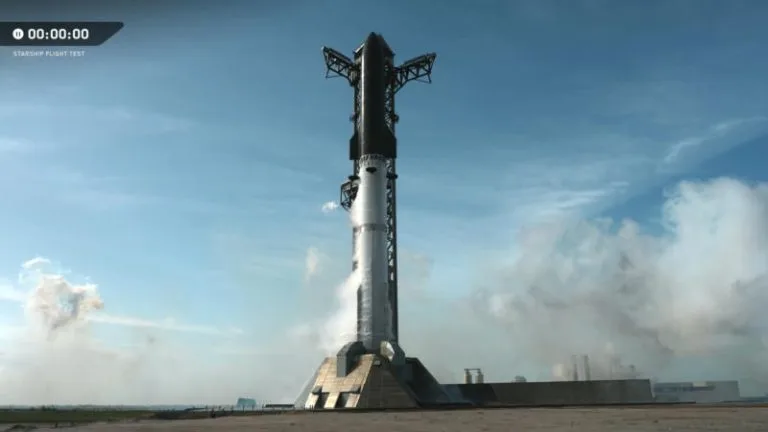
SpaceX Cancels Starship Test Launch at Final Moment Due to Engine Issues
July 17, 2026
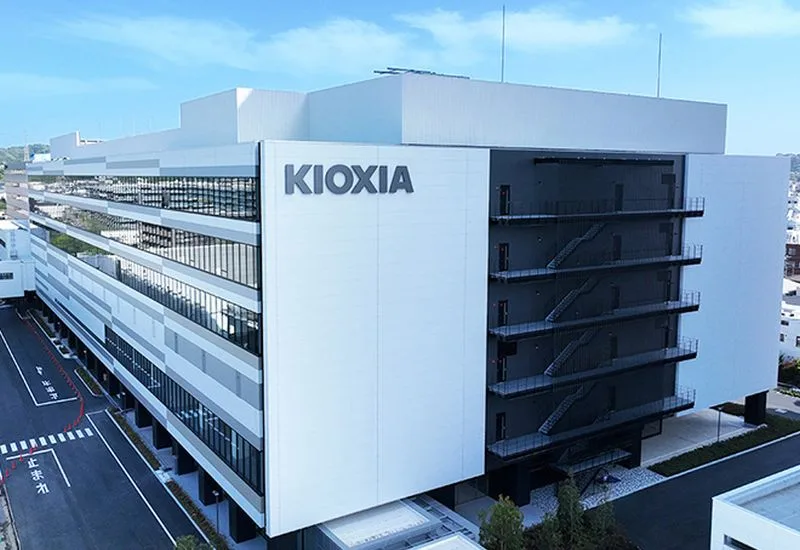
The recent surge in volatility across global equity markets suggests shifting investor sentiment regarding the rapid expansion of artificial intelligence (AI) technologies. One of the most notable indicators of this change is the steep decline in the market capitalization of Kioxia, a major Japanese chip maker heavily involved in the AI semiconductor sector.
Once regarded as among the most valuable publicly traded companies in Japan, Kioxia has seen its stock value tumble by approximately 50% over the past month. This sharp downturn highlights growing skepticism among investors about the sustainability of the AI-driven growth narrative that had propelled semiconductor firms to new heights.
Market observers note that this increased instability is not isolated but rather part of a broader trend affecting chip manufacturers widely regarded as key beneficiaries of AI’s expansion. The fluctuations in share prices point to a reevaluation of risk and a more cautious approach to the tech sector’s lofty valuations.
During recent months, semiconductor companies associated with AI applications enjoyed significant price appreciation fueled by optimism about future demand for AI hardware. However, with Kioxia’s dramatic loss in valuation, the market appears to be recalibrating expectations.
Such volatility underscores the uncertainties surrounding the AI hype cycle. While artificial intelligence remains a transformative technology with broad implications, questions about production capacity, supply chain constraints, and geopolitical factors are influencing market perceptions.
Kioxia’s decline is particularly noteworthy given its status in Japan’s technology sector. The company’s rapid descent from peak valuation levels serves as a barometer of investor appetite and risk tolerance when it comes to AI chip equities.
The scenario reflects a wider market phenomenon where enthusiasm for cutting-edge technologies like AI is increasingly tempered by more scrutinous evaluations of fundamental business models and external economic pressures.
Going forward, stakeholders will be closely monitoring whether Kioxia’s share price stabilizes or continues its downward trend, as this could signal deeper shifts in how the semiconductor industry’s growth prospects linked to artificial intelligence are viewed globally.
While the market adjustments may pose challenges for chipmakers in the near term, the sector’s long-term trajectory will likely depend on innovation, production scalability, and the ability to meet evolving AI infrastructure needs.
Kioxia’s stock valuation has halved in a month as volatility rises, reflecting investor doubts about the AI boom’s sustainability.