Kioxia Ordered to Pay $229 Million to Viasat in Patent Infringement Case
July 18, 2026
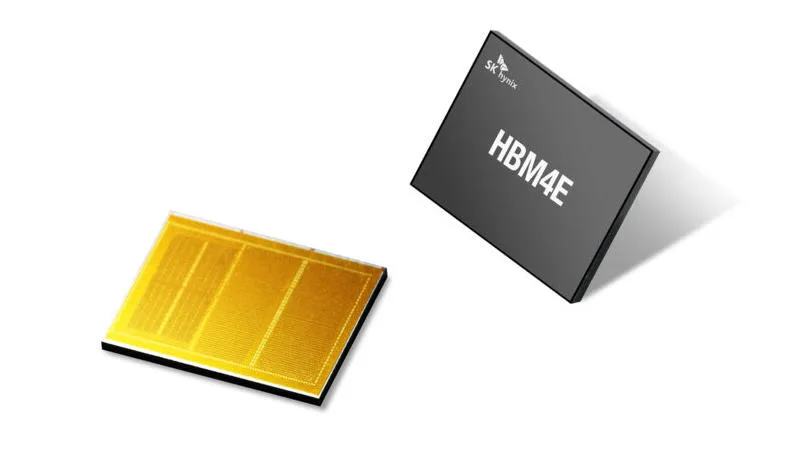
The United States is seeking to secure a share of the unusually high profits earned by South Korean semiconductor manufacturers amid a global surge in demand for chips tailored to artificial intelligence applications. This growing interest reflects concerns over the sizable portion of the AI chip market dominated by South Korean firms and the critical role their products play within the American tech ecosystem.
South Korean companies have experienced a significant increase in revenue, largely propelled by booming production to meet AI-related technology demands. The shift in global technology needs has amplified the importance of these semiconductor producers, positioning them as indispensable suppliers in various U.S. industries reliant on advanced chip capabilities.
According to reports from the Korea Times, the U.S. Government’s push to negotiate a share of these earnings is driven by the volume of South Korean semiconductor imports consumed domestically and their pivotal contribution to U.S. technological competitiveness. As American businesses increasingly depend on these foreign semiconductors, questions about the distribution of financial gains between manufacturing countries and consumers have gained new urgency.
The semiconductor industry, already central to global technology supply chains, has seen rapid evolution fueled by artificial intelligence’s expanding footprint in everything from cloud computing to autonomous systems. South Korea, with its robust manufacturing infrastructure and technological expertise, has captured a leading position, becoming a key node in delivering the specialized chips needed to power AI innovation.
This development has brought about discussions related to trade policy and economic strategy, emphasizing how countries engaged in semiconductor production and consumption manage their partnerships and competitive edges. U.S. initiatives to obtain a fraction of South Korean chipmakers’ supernormal profits could signal an attempt to recalibrate economic benefits amid shifting global supply dynamics.
While details about the mechanisms or terms of such financial claims have not been publicly disclosed, the situation underscores the increasing interconnectedness between national economic interests and the semiconductor supply chain. It also highlights the broader strategic considerations surrounding artificial intelligence technologies and the foundational hardware required to support them.
The outcome of this dynamic will be closely watched by industry stakeholders worldwide, as it may influence future cooperation and regulatory approaches within the semiconductor sector. Ensuring fair distribution of profits while maintaining secure and efficient supply routes remains a complex challenge as technological and geopolitical factors continue to evolve.
Amid rising demand for AI chips, the U.S. aims to claim a portion of South Korean semiconductor makers’ substantial profits.