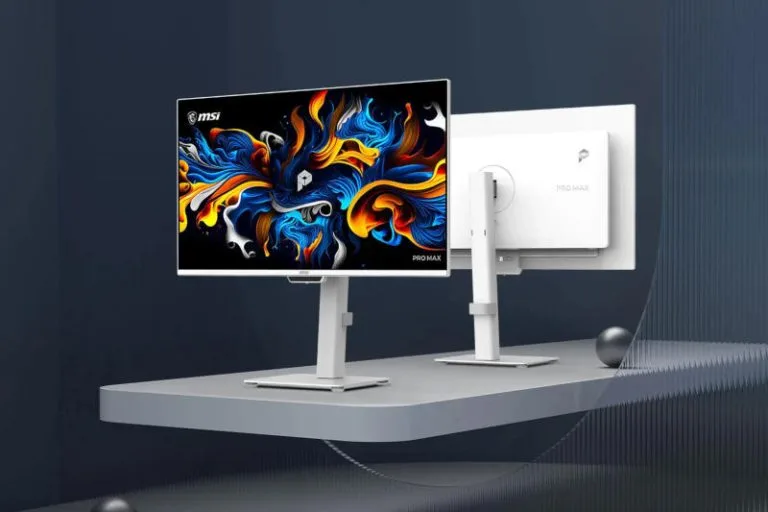
MSI Unveils World’s First 27-Inch 4K Monitor Featuring Inkjet Printed OLED Panel
July 18, 2026
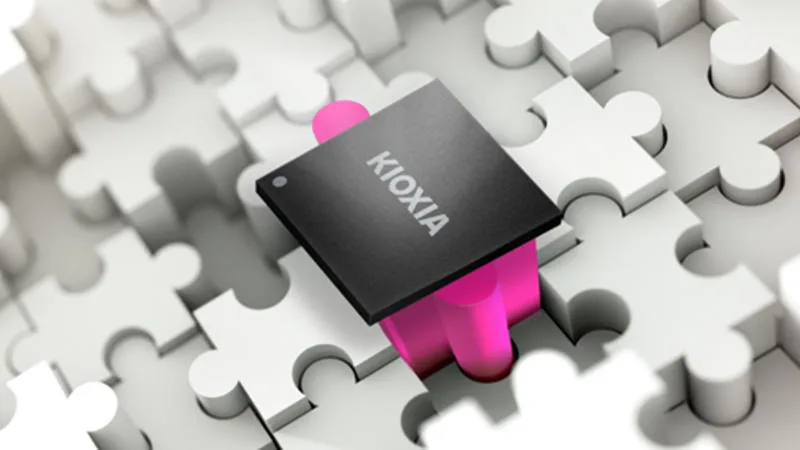
Japanese memory chip manufacturer Kioxia has been ordered to pay $229 million to satellite communications provider Viasat following a patent infringement lawsuit. The verdict, delivered by a jury in Waco, Texas, marks a significant legal outcome between the two technology companies.
The case centered around a patent owned by Viasat related to technology used in computer memory. Details on the specific nature of the patent or how Kioxia allegedly infringed on it have not been fully disclosed publicly. However, the decision indicates that the jury found Kioxia liable for violating Viasat’s intellectual property rights in connection with memory chip technology.
This ruling highlights ongoing tensions within the semiconductor and technology sectors, where innovation often intersects with complex patent portfolios. Satellite communications companies like Viasat rely heavily on advanced memory technology in their infrastructure, leading to intense industry competition over proprietary advancements.
Financial terms aside from the $229 million awarded were not detailed in the publicly available information. The outcome may influence ongoing relationships and licensing agreements between semiconductor manufacturers and technology integrators operating within satellite and broader communications markets.
Kioxia, a prominent player in the memory chip industry, faces increasing scrutiny over patent compliance as its products are widely used in various computing applications. Meanwhile, Viasat continues to defend its patents as part of its strategic efforts to protect and monetize its technological innovations.
The verdict from the Waco jury adds to a series of patent infringement disputes in the tech world, underscoring the importance of intellectual property enforcement and the financial stakes involved in high-tech manufacturing and satellite communications.
Kioxia must pay $229 million to satellite operator Viasat following a Texas jury ruling over a patent related to computer memory technology.