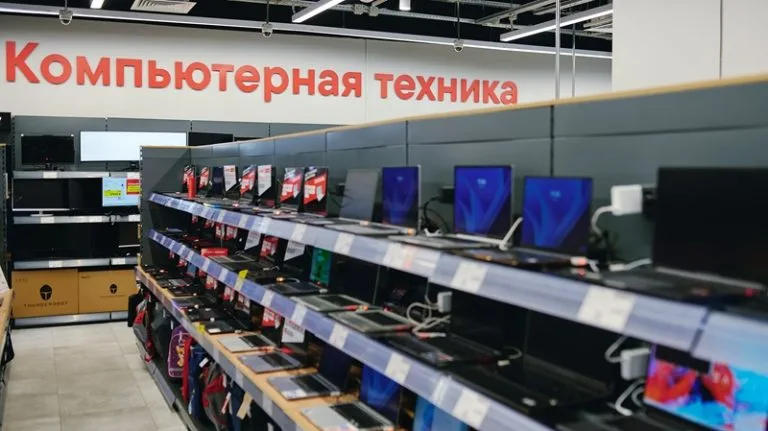
Popular PC Components in Russia Highlight Nvidia RTX 50 Series and 1TB NVMe SSDs
July 21, 2026
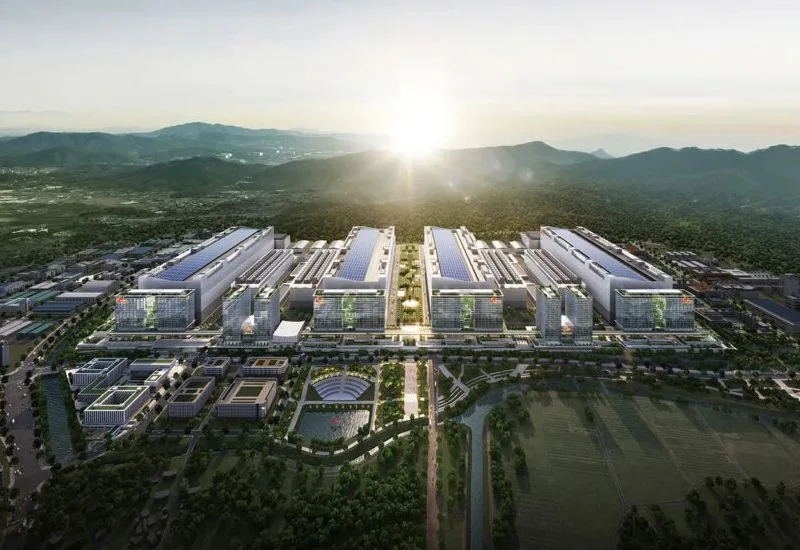
Leading memory chip manufacturers are currently pouring hundreds of billions of dollars into expanding their production capacities in an effort to address persistent shortages of DRAM (dynamic random-access memory). However, industry analysts warn that this aggressive buildout may lead to a supply glut as soon as 2028, potentially disrupting the market’s supply-demand balance.
Many semiconductor producers remain optimistic, suggesting that the once predictable cyclical nature of DRAM demand has evolved, potentially diminishing the risk of sharp market downturns. They argue that increased diversification and the expanding applications of memory components could stabilize demand fluctuations.
Nevertheless, some experts emphasize caution. They point out that the massive capital investments aimed at overcoming current supply constraints could result in an overproduction scenario in the medium term. This situation might saturate the DRAM market, pressuring prices and affecting profitability across the sector.
The concern stems from the sheer scale of these capacity expansions. Manufacturers are betting on sustained growth in data center demand, artificial intelligence workloads, mobile devices, and other memory-intensive applications to justify increased output. Yet, if demand growth does not match or exceed these capacity gains, the resulting inventory buildup could lead to a prolonged period of oversupply.
Historical trends in the semiconductor industry have shown that market cycles, although sometimes extended or altered by external factors, tend to reassert themselves over time. The current scenario suggests that after the recent phase of tight supply and elevated prices, the market might swing back to a surplus condition once production ramps up fully.
How companies will navigate this potential shift remains to be seen. Some may seek to moderate expansions or pivot toward higher-value memory technologies to mitigate the risks involved. Others might rely on innovations and emerging use cases to stimulate additional demand and absorb increased production.
Ultimately, this evolving dynamic highlights the challenges inherent in balancing investment decisions with market realities in a fast-changing technological landscape. Stakeholders, from manufacturers to investors, will need to closely monitor supply trends and demand patterns in the coming years to adapt strategies accordingly.
Heavy investments to combat DRAM shortages may lead to an oversupply in the memory chip market as early as 2028, experts caution.