
NVIDIA GeForce RTX 3050 Boosts RTX 3090 Frame Rates Using Lossless Scaling Technology
July 24, 2026
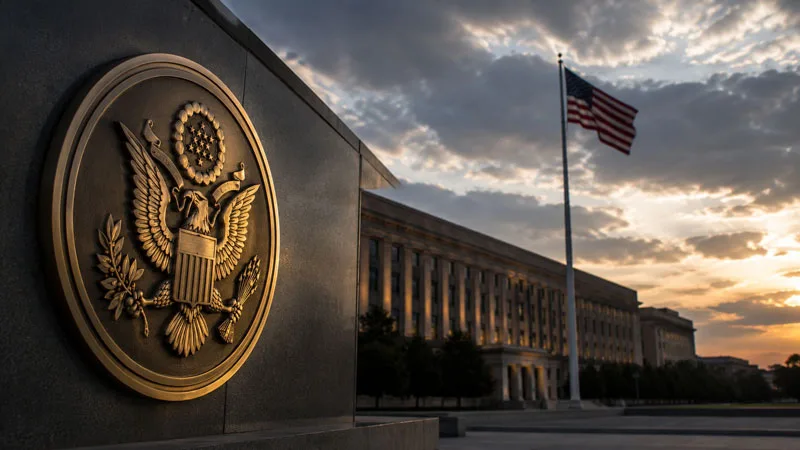
The United States Department of Defense has officially designated the activities of 33 Russian universities and research organizations as posing a potential threat to the country’s national security. This move reflects growing concerns over foreign academic and scientific influence within sectors deemed strategically sensitive by US authorities.
In a formal announcement, the Department of Defense added these institutions to a list of overseas entities whose operations are subject to increased scrutiny. The decision underscores an intensified focus on the intersection of higher education, scientific research, and national security interests amid the broader geopolitical tensions.
While specific details regarding the individual universities or research centers were not disclosed, the designation typically implies potential risks related to technology transfer, intellectual property, or collaboration in areas critical to defense and security. Entities on such lists often face restrictions or enhanced oversight concerning engagement with US persons or institutions.
The inclusion of academic institutions on national security watchlists is not unprecedented but indicates a widening scope in how governments view the influence and vulnerabilities associated with international research partnerships. The US Department of Defense, as the governing body overseeing military and strategic security policies, aims to safeguard technological advantage and sensitive information against perceived adversarial actions.
This development arrives amid broader challenges confronting global scientific collaboration, where concerns about espionage, data privacy, and dual-use technologies have prompted multiple countries to reassess cross-border academic relationships. Universities and research organizations from various nations have increasingly come under examination to control the transfer of knowledge that could enhance foreign military capabilities.
The practical implications of the Department of Defense’s action may affect current and future research collaborations, funding opportunities, and the participation of personnel affiliated with these Russian institutions in American academic and scientific projects. It also reinforces the US government’s vigilance regarding the potential for foreign educational entities to engage in activities counter to national interests.
This designation adds to a list of measures by US agencies aimed at mitigating risks associated with foreign influence and ensuring the protection of critical technologies and scientific advancements. Further guidance and regulatory frameworks are anticipated as the situation evolves.
The US Department of Defense lists 33 Russian universities and research institutes as potential threats to national security.