
ULA Faces Financial Strain Amid Vulcan Centaur Launch Delays
July 25, 2026
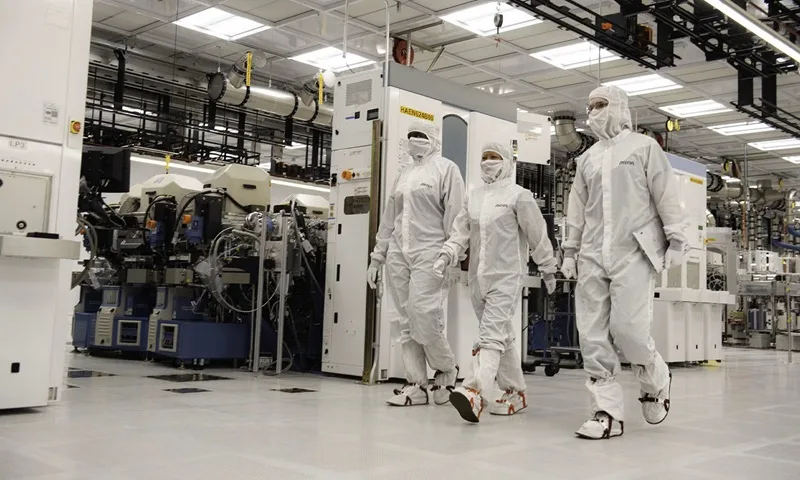
The ongoing tension between Apple Inc. and Micron Technology has placed the U.S. government in a challenging position involving the future of semiconductor sourcing for American technology products. As Apple moves toward reducing its production costs through increased reliance on memory chips sourced from China, Micron, the predominant American memory chip manufacturer, is advocating for greater support of domestic chip production.
Apple’s strategy to incorporate more competitively priced Chinese memory components into its supply chain aims to address rising manufacturing expenses, particularly affecting its widely popular iPhone lineup. In contrast, Micron is urging the U.S. administration to prioritize national interests by endorsing the use of American-made chips, emphasizing the importance of sustaining domestic semiconductor manufacturing capabilities.
This confrontation highlights a broader dilemma facing U.S. technology policy: whether to prioritize cost reductions for consumers and manufacturers or to reinforce domestic production amidst global supply chain complexities.
According to reports, Micron’s position reflects concerns over the long-term viability of the American semiconductor sector in the face of increasing global competition and supply chain vulnerabilities. Conversely, Apple’s approach underscores the pressure technology companies face to maintain competitive pricing and margins in an industry marked by rapid innovation and high consumer demand.
The trade-offs inherent in this situation represent a significant challenge for policymakers tasked with balancing economic competitiveness, national security, and industrial policy. With memory chips being a critical component for a wide range of technology products, decisions made at this juncture could influence supply chain dynamics and the technological landscape for years to come.
The dispute serves as an example of the complex interplay between major corporate stakeholders and government priorities, particularly in sectors vital to economic and technological leadership. While the resolution remains uncertain, it underscores the need for strategic approaches that consider both immediate business imperatives and long-term industrial sustainability.
Apple’s plan to cut costs with Chinese memory chips clashes with Micron’s push for American-made components, challenging U.S. policy priorities.