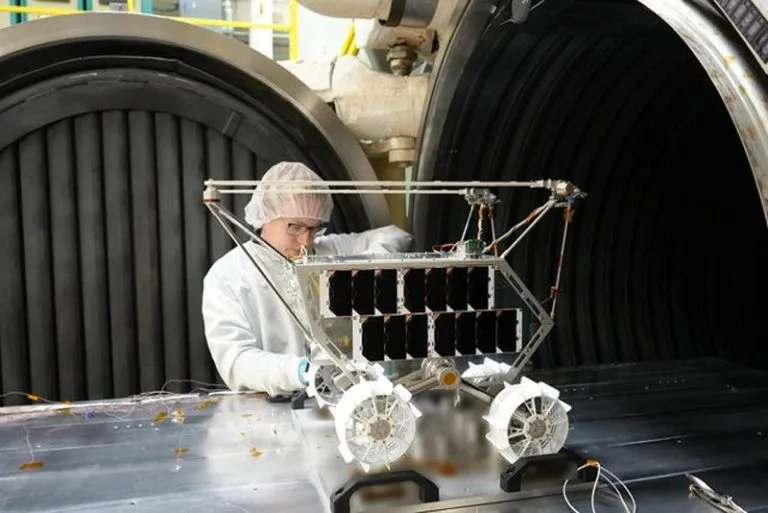
Nvidia GPUs to Power Lunar Rover on Upcoming Moon Mission
July 25, 2026
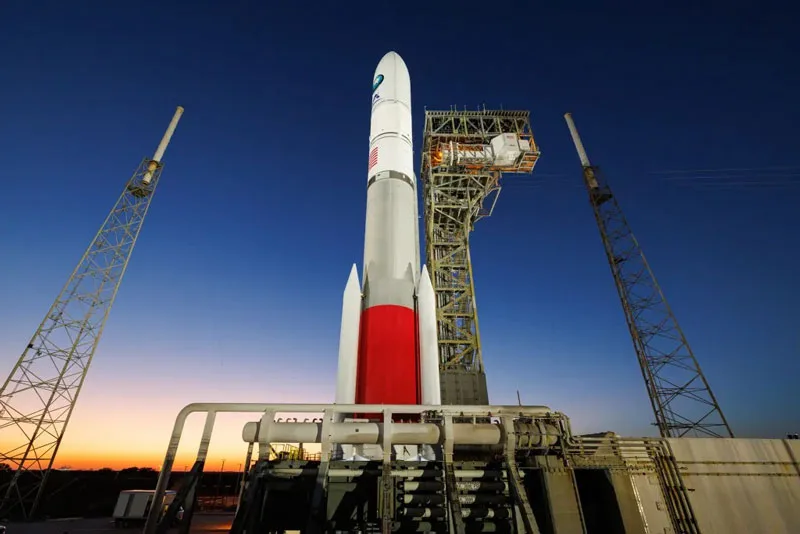
United Launch Alliance (ULA) is currently navigating significant financial difficulties due to the suspension of launches involving its Vulcan Centaur rocket. The promising launch vehicle, which was expected to undertake multiple missions this year, has only completed one flight, leading to a disruption in ULA’s operational and financial plans.
The Vulcan Centaur rocket, anticipated to be a cornerstone of ULA’s operations in 2026, was scheduled for approximately 18 missions over the course of the year. However, the substantial shortfall in flights has exerted pressure on the company’s resources.
Lockheed Martin, a key stakeholder in ULA, has intervened to support the company’s financial position by providing guarantees on loans. These guarantees cover borrowing up to a cap of $500 million, representing a significant effort to stabilize ULA’s funding amid the current launch delays.
In contrast, Boeing, which also holds a major ownership stake in ULA, has yet to offer similar financial assistance or make public statements regarding support. This divergence in approach between the two parent companies underscores the uncertainty facing ULA as it attempts to maintain its launch cadence and financial health.
The halt in Vulcan Centaur operations affects not only ULA’s revenue streams but also its strategic plans in the competitive space launch market. With fewer launches occurring than anticipated, the company must reassess its timelines and financing strategies to navigate the ongoing challenges.
The aerospace industry continues to monitor ULA’s situation closely, as the company plays a pivotal role in launching national security, commercial, and scientific payloads. The ability of Vulcan Centaur to resume regular flight operations will be crucial to ULA’s financial recovery and sustained presence in the launch sector.
United Launch Alliance encounters funding challenges as Vulcan Centaur rocket flights fall far short of planned launches in 2026.