Repair Services in Russia See Surge in Demand for Older Electronics
July 27, 2026
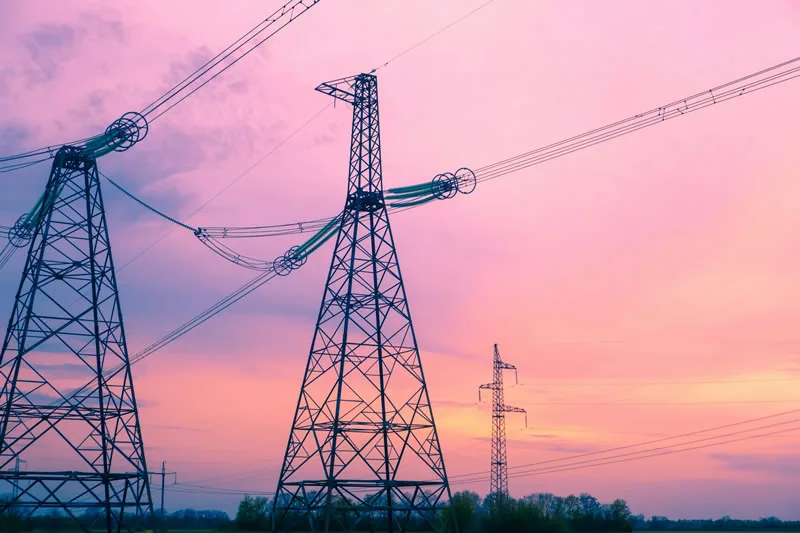
A recent transmission line failure in a suburb outside Washington has shed light on emerging challenges that data centers pose to the stability of power grids, especially as artificial intelligence (AI) workloads become increasingly widespread.
Following the disruption, over 3 gigawatts of electrical load rapidly transitioned into reserve mode nearly simultaneously. This sudden shift created a voltage spike lasting about ten minutes within the network managed by PJM, the largest regional electric power operator in the United States. Such an event has raised concerns among energy experts about the potential systemic vulnerabilities introduced by massive AI-driven data center operations on regional power systems.
Data centers have long been known for their substantial energy consumption, but the growing scale of AI clusters amplifies their impact on power grids. These AI clusters run intensive computational workloads which can cause abrupt and significant changes in energy demand. In the case of the Washington-area transmission line failure, the rapid shift of the load to backup power resources highlighted how quickly data centers can influence grid conditions.
The voltage fluctuations observed by PJM underline the challenge of managing sudden demand changes across a network that must remain stable to avoid outages or damage. Although backup systems are designed to ensure continual operation, their sudden engagement en masse poses a risk of destabilizing the power supply if not well-coordinated.
Energy specialists are increasingly focusing on how to integrate these large AI-driven computing facilities into existing grids without compromising reliability. This includes developing strategies for better load balancing, adaptive energy management, and coordination between data centers and grid operators to prevent synchronized shifts that induce voltage swings.
The incident near Washington serves as a case study showing that the evolving energy requirements of AI clusters require a reevaluation of grid infrastructure and operational protocols. It highlights a pressing need for innovation in how energy supply is balanced in regions experiencing rapid growth of advanced computing facilities.
As AI technology continues to expand in scope and intensity, its interdependence with electrical systems will likely grow, making it imperative for utilities, regulators, and technology companies to collaborate on solutions that ensure both energy stability and technological advancement can move forward together.
A transmission line failure near Washington revealed how data centers can destabilize power grids by rapidly shifting large loads to backup systems.