
Popular PC Components in Russia Highlight Nvidia RTX 50 Series and 1TB NVMe SSDs
July 21, 2026
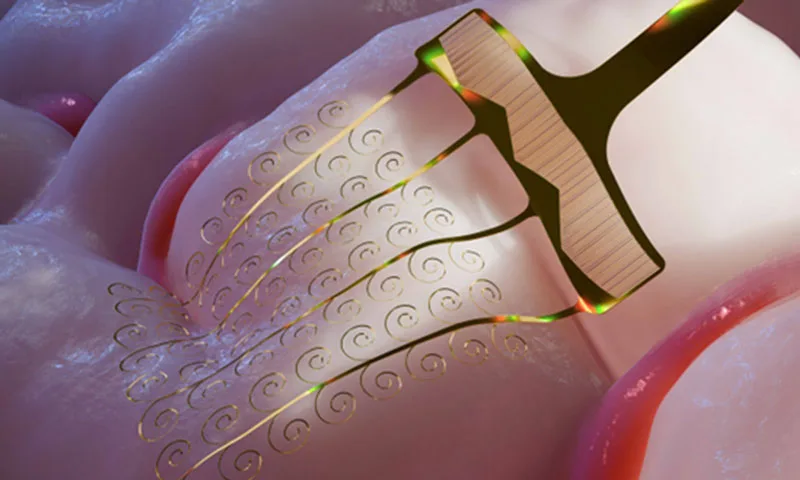
Scientists at the Beijing Institute for Brain Research have developed a new type of microelectrode designed for surgically implanted brain-computer interfaces (BCIs). These stretchable and flexible electrodes represent a significant advancement in addressing longstanding challenges faced by existing technologies.
Conventional flexible electrodes used in brain implants often encounter a critical issue: they can shift position or become dislodged due to the natural motions of the brain. Such displacement compromises the signal quality recorded by the device and risks causing damage to the delicate brain tissue surrounding the implant.
The newly developed microelectrodes by the Chinese team have been engineered to accommodate the brain’s movements without losing contact or causing injury. This innovation circumvents one of the primary obstacles hindering the progression of brain-machine interface technology, potentially enhancing both the longevity and reliability of neural implants.
While detailed technical specifications and further testing data have not been disclosed, this breakthrough could influence the future design and deployment of BCIs designed for neurological research and therapeutic applications.
Compared to some existing technologies, such as those utilized in prominent companies’ brain implant projects, the new electrodes reportedly avoid the adverse effects commonly associated with microelectrode implantation, particularly the damage to brain tissue resulting from device drift or strain.
This advancement indicates promising developments ahead for brain-computer interfaces, supporting efforts to improve the integration of neural devices with biological tissue and to enhance outcomes in neuromodulation and neural recording.
A Chinese research team created flexible, stretchable microelectrodes for brain-computer interfaces that avoid tissue damage caused by traditional implants.