Honor Launches X7e Smartphone in Russia Featuring 7200mAh Battery and AI Shortcut Button
July 21, 2026

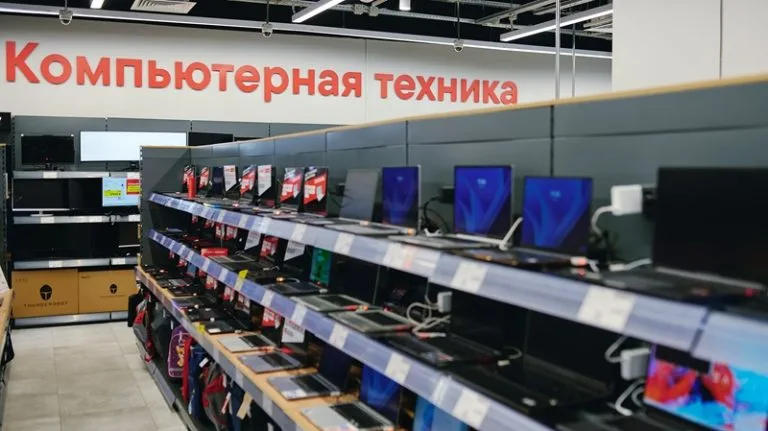
The escalating cost of memory components is prompting companies to ramp up their purchases of personal computers as a precaution against further price inflation. Recent market developments have shown a significant jump in prices for DRAM and NAND flash storage, with increases reaching as much as 80 to 90 percent compared to the last quarter of 2025.
This surge in memory prices is notably impacting the cost structure of PCs, which rely heavily on these components for performance and storage capabilities. As the price hikes appear likely to extend throughout 2026, organizations are accelerating procurement cycles to secure hardware before costs rise further.
Industry analysts indicate that the memory market is experiencing constraints that put upward pressure on pricing. Supply factors combined with high demand have contributed to this dynamic, affecting DRAM and NAND flash memory segments predominantly used in consumer electronics, data centers, and corporate computing equipment.
Businesses, which typically plan hardware refreshes according to IT lifecycle strategies, have adjusted their timelines in response to these market conditions. By front-loading purchases, companies aim to mitigate the impact of future price increases, ensuring they can maintain operational efficiency without incurring elevated budget costs later in the year.
This adaptation by enterprise buyers is creating a temporary spike in PC sales, countering trends seen in other tech sectors where supply chain issues have sometimes slowed purchases. The situation underscores the critical role that memory components play in the broader technology ecosystem and highlights the sensitivity of hardware costs to fluctuations in semiconductor markets.
While manufacturers and suppliers work to balance inventory and production capacity, the memory price environment remains volatile. Businesses monitoring these developments will likely continue to seek procurement strategies that optimize timing against budget constraints and performance needs.
Further updates will reveal how sustained price changes will affect the overall personal computer market, including consumer segments influenced indirectly by corporate buying behavior. For now, the memory crisis is a key driver behind an unexpected surge in commercial PC acquisitions early in 2026.
Sharp increases in DRAM and NAND prices are prompting businesses to boost PC buying ahead of further cost hikes in 2026.