App Store Sees Surge in New Apps Amid Growth of No-Code Platforms in Early 2026
July 21, 2026
The ongoing expansion of artificial intelligence (AI) technologies worldwide faces an unexpected challenge tied to a specialized manufacturing material. A critical component in the production of AI chips—a certain grade of fiberglass—relies exclusively on a single supplier based in Japan, creating a bottleneck that affects chipmakers globally.
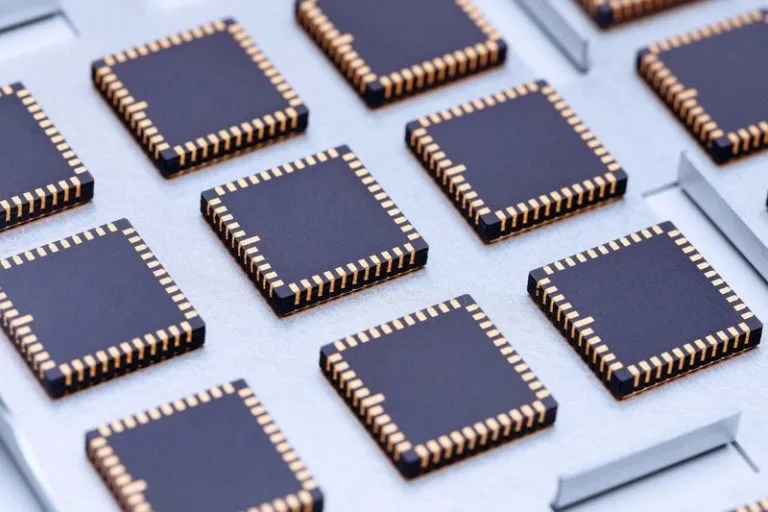
As the demand for AI-integrated devices and data processing accelerates, semiconductor manufacturers are scaling up chip production to meet market needs. However, the intricate production processes of AI chips require high-quality fiberglass materials that serve as key substrates and insulating layers within the semiconductor packaging.
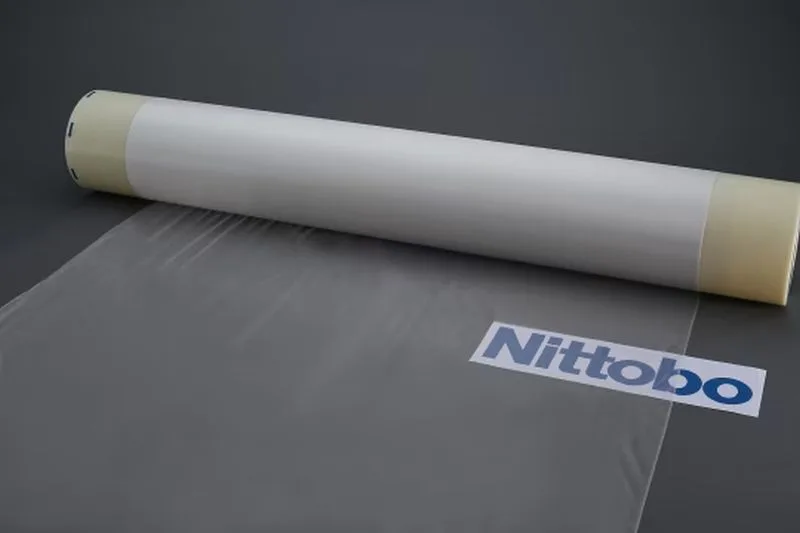
Currently, only one company in Japan, Nittobo, produces the specific fiberglass grade suitable for AI chip manufacturing. This firm’s unique position means that any expansion in global AI chip output is directly linked to its production capabilities and strategic decisions.
The reliance on a single supplier has introduced a supply constraint that extends beyond typical semiconductor component shortages. While the semiconductor industry has contended with various supply chain issues over recent years, this scenario involving a specialized raw material underscores the interconnected nature of technology manufacturing. The availability and stability of such niche materials are critical to sustaining growth in AI chip production.
Industry analysts note that the limited source of this fiberglass underscores a vulnerability within the supply chain for cutting-edge semiconductor components. Without diversification of suppliers or alternative materials meeting stringent quality requirements, manufacturers might face ongoing challenges in ramping up AI chip production to satisfy demand.
This situation highlights the often overlooked dependencies in advanced technology manufacturing, where a single material or supplier can influence the scalability and timing of product availability. For companies and markets relying on AI advancements—including cloud computing, autonomous systems, and data centers—this fiberglass supply issue may translate into a tangible impact on innovation timelines and hardware accessibility.
Efforts to develop additional production capacity or substitute materials could become a focus, though such initiatives typically require significant time and investment due to the precise standards involved in semiconductor-grade fiberglass. Meanwhile, AI chip manufacturers and end-users continue to monitor the supply situation closely as it evolves.
A unique fiberglass material crucial for AI chip manufacturing is supplied by only one Japanese company, limiting production growth worldwide.