Advancements in CFET Technology Promise Faster, Smaller, and More Reliable Semiconductor Transistors
July 21, 2026
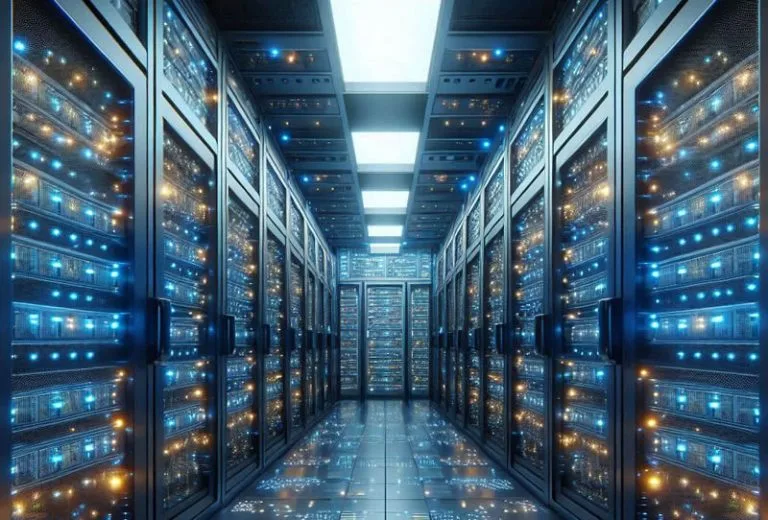
As artificial intelligence workloads intensify, data centers are confronting critical limitations in their power infrastructure. The rising demand for electricity to support AI computations is outpacing the capabilities of existing copper-based power distribution systems. This shortfall is prompting engineers and researchers to explore new methods to improve energy delivery efficiency within data center facilities.
Modern AI data centers require vast amounts of electrical power, but their ability to scale is hindered not just by generation capacity but also by the efficiency of transmitting that power internally. Increasing generation capacity itself poses long-term challenges due to the timescales involved in building new power plants and grid resources. As a result, attention has shifted toward reducing transmission and distribution losses inside data centers to make better use of available electricity.
At the heart of the problem lies the traditional use of copper cabling for internal power distribution. While copper has been a reliable standard for decades, it has significant resistive losses, especially at the scale and power levels present in AI data centers. These losses represent wasted energy that translates into higher operational costs and environmental impact.
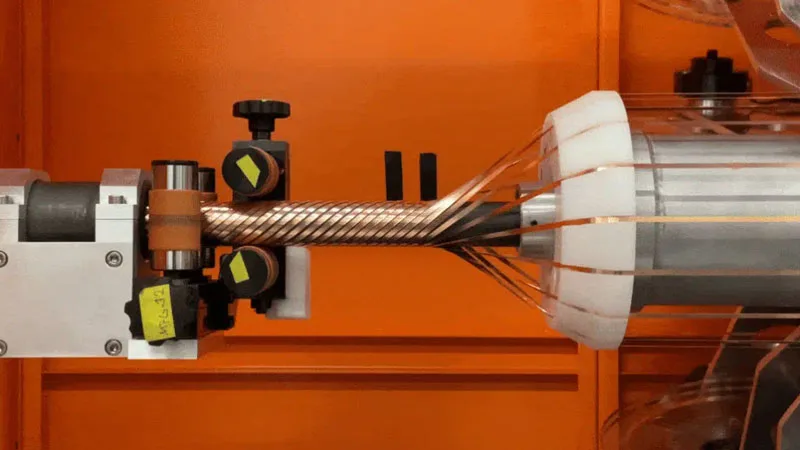
To cut down on these losses, the data center industry is increasingly considering superconductivity as a solution. Superconducting materials allow electricity to flow without resistance, effectively eliminating energy loss in distribution lines. However, implementing superconductivity in a commercial data center environment faces substantial practical and technological hurdles. Cooling requirements, cost, and integration complexity remain significant barriers.
Despite these challenges, industry specialists view superconductivity as one of the few viable paths forward to meet the growing power demands of AI infrastructure without waiting years for new generation capacity to come online. While it may not represent an immediate technological breakthrough or revolutionize data center design overnight, the gradual adoption of superconducting components could incrementally improve power delivery efficiency and sustainability.
This shift towards superconductivity is noted to occur not necessarily where it was most expected within the broader technology ecosystem but specifically within the demanding context of AI data center power distribution. The emphasis is on pragmatic, incremental gains in efficiency to enable the continued expansion of AI capabilities while managing energy consumption more effectively.
As AI continues to drive computational requirements upward, innovations and investments in power infrastructure—particularly in the area of superconductivity—are likely to become increasingly central to maintaining the balance between performance and energy sustainability in data centers.
Growing AI data centers face power shortages and copper cabling limits, prompting interest in superconductivity to cut energy loss in distribution systems.