Russian Company Launches Second Batch of Satellites for Domestic Starlink Alternative
July 20, 2026
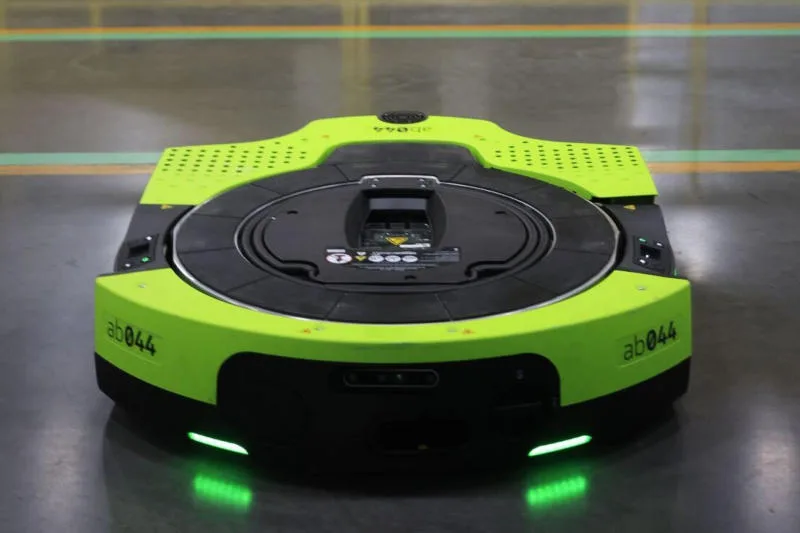
Amazon has announced a new milestone in warehouse automation with the launch of Proteus, a fully autonomous robot equipped with advanced voice command capabilities. This marks a significant development for Amazon Robotics, as it is the first time one of the company’s warehouse robots can be controlled through natural spoken language.
Currently, over one million robots operate within Amazon’s fulfillment centers worldwide, handling a wide range of logistics and inventory management tasks. However, until now, none of these robots had the ability to interpret and respond to voice commands. Proteus changes this dynamic by enabling warehouse staff to issue instructions verbally, allowing the robot to autonomously determine priorities, optimize routes, and manage timing without the need for manual input.
The integration of voice control into Proteus aims to streamline communication between human workers and robotic systems. By understanding everyday spoken instructions, the robot can adapt more flexibly to the fast-paced and ever-changing demands of warehouse environments. This could lead to smoother workflows and greater responsiveness in handling tasks such as picking, sorting, and transportation of goods within fulfillment centers.
According to Scott Dresser, Vice President of Amazon Robotics, the system works by accepting simple voice directives and then independently deciding how best to execute them based on real-time conditions in the warehouse. This capability reduces the complexity involved in robot management and potentially lowers the burden on human operators who previously would have had to program or control the robot through more rigid interfaces.
While specific details regarding Proteus’ technical specifications, deployment scale, or pricing have not been disclosed, the introduction of voice-enabled robots signals Amazon’s continuing effort to innovate in warehouse automation. The company’s investment in robotics is central to enhancing operational efficiency and scaling its logistics network to meet increasing consumer demand.
Proteus represents a broader trend in the robotics industry toward more intuitive human-machine interactions. By leveraging natural language processing and autonomous decision-making, such systems aim to bridge the gap between human oversight and robotic autonomy, making collaborative work environments more effective.
As warehouse environments grow increasingly complex with higher volumes of orders and diversified inventory, technologies like Proteus could play a pivotal role in shaping the future of supply chain management. Amazon’s move to include voice interaction in robotics demonstrates the potential of AI-driven communication to transform traditional industries through smarter automation.
Amazon introduces Proteus, a fully autonomous warehouse robot that responds to natural language voice commands for improved operational efficiency.