App Store Sees Surge in New Apps Amid Growth of No-Code Platforms in Early 2026
July 21, 2026
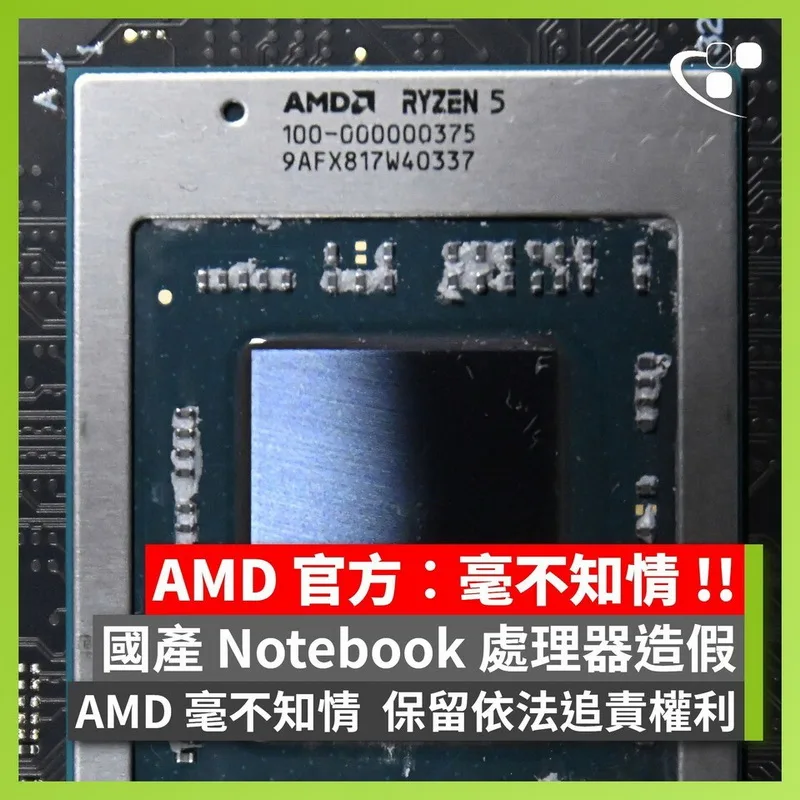
AMD has issued an official statement responding to a recent controversy involving the Chinese laptop manufacturer Chuwi. The issue revolves around Chuwi incorrectly labeling Ryzen 5000 series mobile processors as Ryzen 7000 series units in their laptops.
The discrepancy was uncovered when consumers and industry observers noticed inconsistencies between the performance and specifications advertised by Chuwi and the actual hardware inside the laptops. The key problem was that models advertised as featuring Ryzen 7000 series processors were instead equipped with Ryzen 5000 series chips.
AMD’s announcement, released in China, clarified the company’s position on the matter, emphasizing that it does not endorse or support such misrepresentation of its products. The company highlighted the importance of accurate marketing and proper identification of its processors to maintain brand integrity and trust among consumers.
While the exact motivations behind Chuwi’s decision remain unclear, the incident has raised broader concerns about authenticity and transparency in the tech supply chain, especially for budget and lesser-known laptop brands. The Ryzen 7000 series represents a newer generation of mobile CPUs with distinct architecture and capabilities compared to the Ryzen 5000 series, making accurate labeling crucial for consumer expectations and product comparisons.
AMD has not disclosed any specific measures it plans to take in response to the situation, nor has it provided details on potential investigations or consequences for Chuwi. At the same time, the company’s statement implicitly serves as a warning against deceptive practices involving its hardware.
For consumers, this revelation underscores the importance of verifying specifications through multiple sources and possibly consulting independent reviews before purchasing laptops, particularly those from smaller manufacturers or lesser-known brands. It also highlights the challenges AMD and other chipset makers face in ensuring their products are properly represented once they reach end users.
The broader industry implications of such incidents could lead to calls for stricter oversight and certification protocols to avoid misleading claims about processor generations, which significantly impact performance, power efficiency, and software compatibility.
As the laptop market continues to evolve with new processor architectures and mobile computing technologies, maintaining transparency in marketing and sales claims remains a critical factor for consumer confidence and brand reputation.
AMD addresses controversy after Chuwi mislabeled Ryzen 5000 series CPUs as Ryzen 7000 in its laptops.