App Store Sees Surge in New Apps Amid Growth of No-Code Platforms in Early 2026
July 21, 2026
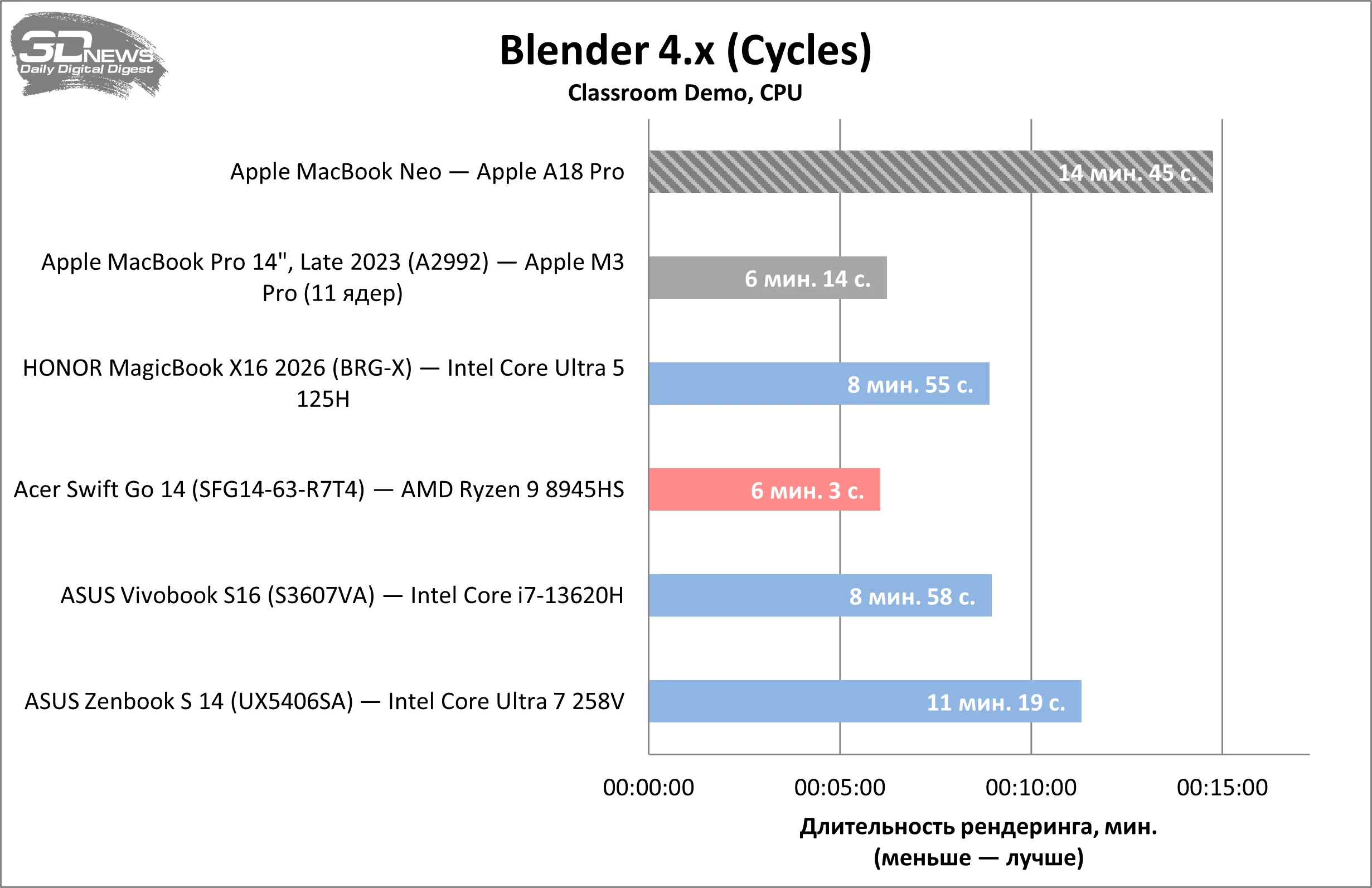
Apple has made a striking move into a segment predominantly led by Windows-based laptops with the recent release of the MacBook Neo. This new entry has quickly become one of the most discussed devices of the first quarter of 2026, largely due to its unique processor choice and overall design approach.
The MacBook Neo is notable for incorporating a processor originally developed for iPhones, marking a significant shift in Apple’s laptop strategy. This approach underscores Apple’s ongoing efforts to unify its product ecosystem by leveraging the efficiency and power of its custom ARM-based chips across different devices.
While notebooks powered by Windows have traditionally dominated this sector, Apple’s MacBook Neo challenges that status quo by balancing performance and design in a way that has captured consumer interest and industry attention alike. The MacBook Neo retains the hallmark qualities associated with Apple hardware, including sleek styling and an emphasis on seamless software integration.
The integration of a chip derived from Apple’s mobile lineup implies potential improvements in battery life and thermal management when compared to conventional laptop processors. This could provide users with an alternative to the typical trade-offs seen in laptops, such as choosing between power and portability.
The device has sparked numerous conversations about the future trajectory of personal computing, particularly regarding the role that ARM architecture might play in expanding users’ options beyond the traditional x86 platforms that have long been industry’s standard. Apple’s decision to push a processor common to iPhones into a laptop environment underlines the company’s strategy to blur the lines between mobile and desktop computing.
Despite its intriguing hardware foundation, the MacBook Neo has been met with a mix of curiosity and cautious optimism as market watchers evaluate how it performs in day-to-day tasks, professional workloads, and compatibility with existing software ecosystems.
Overall, Apple’s latest introduction serves as a testimony to its capability to disrupt established markets and offers a fresh perspective on what future laptops might look like when powered by technology originally designed for mobile devices. The MacBook Neo’s reception suggests that innovation in notebook processors could be a critical factor in shaping consumer preferences as the technology landscape evolves through 2026 and beyond.
Apple’s MacBook Neo stirs buzz by integrating an iPhone chip, challenging Windows laptops in a crowded market segment.