App Store Sees Surge in New Apps Amid Growth of No-Code Platforms in Early 2026
July 21, 2026

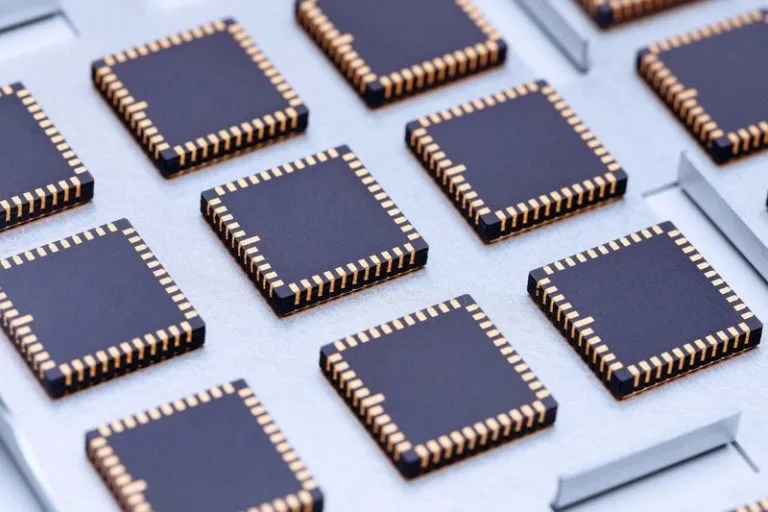
Apple continues to navigate the complexities inherent in semiconductor production by repurposing defective chips across its product lineup, which includes iPhone, iPad, and Mac devices. Due to the intricacies of modern chip fabrication and the diminutive size of components, achieving a completely flawless batch of semiconductors remains a challenge for manufacturers worldwide.
In semiconductor manufacturing, some degree of defectiveness is unavoidable. The precision required for these processes means even minor imperfections can render chips unsuitable for their intended top-tier applications. Instead of discarding these imperfect components, Apple applies a strategic approach to utilize them effectively within other products.
The company identifies chips with certain defects that prevent their use in the flagship models originally designated for them. These chips, while not meeting the highest performance or specification standards required for premium devices, can still function reliably in alternatives with adjusted capabilities or specifications.
This repurposing strategy allows Apple to reduce waste and derive value from what might otherwise be classified as manufacturing losses. By reallocating these chips into products where their performance remains within acceptable limits, Apple maintains cost efficiency while sustaining production levels across various device categories.
This practice has been employed for several years, demonstrating Apple’s commitment to optimizing supply chain dynamics and leveraging advances in quality control and testing technologies. It ensures that components which do not pass the strictest quality requirements are not simply scrapped but integrated into devices where they align with expected functionality and user experience.
Apple’s ability to adapt to the realities of semiconductor production embodies a broader trend across the technology industry, as companies seek innovative ways to address material scarcity, production costs, and sustainability concerns. By extracting value from chips with minor defects, Apple continues to support its product ecosystem efficiently while responding to the persistent challenges in chip manufacturing.
Apple integrates defective chips into various devices, maximizing yields amid unavoidable semiconductor manufacturing flaws.