
App Store Sees Surge in New Apps Amid Growth of No-Code Platforms in Early 2026
July 21, 2026
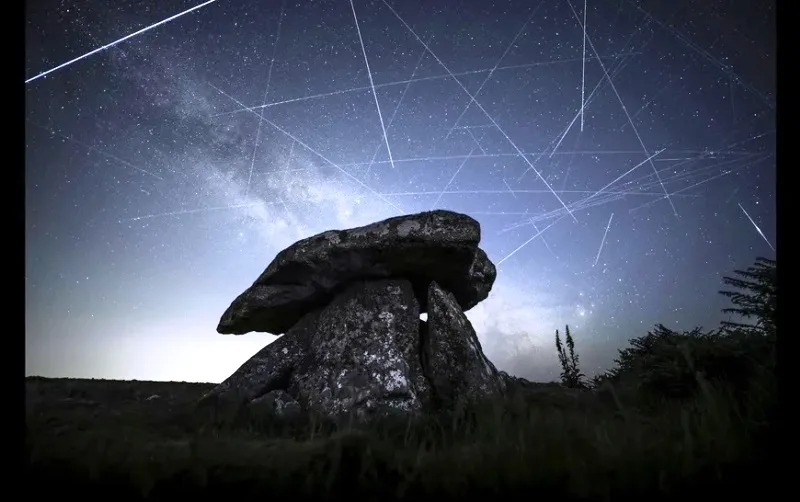
A growing concern is emerging within the astronomy community over two ambitious space projects that envision deploying tens of thousands of satellites in Earth’s orbit. Experts warn that these initiatives could seriously disrupt traditional space observation and jeopardize scientific research.
One of the projects involves Reflect Orbital, a startup planning to launch a constellation of orbital mirrors designed to reflect sunlight onto solar power stations on Earth. This approach aims to enhance renewable energy generation by leveraging concentrated solar illumination.
Meanwhile, SpaceX has announced plans to deploy a significantly larger network, proposing as many as one million satellites intended to form orbital data centers. These centers would process vast amounts of data in Earth’s orbit, representing a radical shift in cloud computing infrastructure.
Astronomers caution that the scale of these deployments could have detrimental effects on observations conducted from the ground and space. The sheer number of satellites might obscure or interfere with the visibility of celestial bodies, complicating both amateur and professional astronomy.
Additionally, the introduction of numerous reflective surfaces in orbit raises concerns about increased light pollution and the alteration of dark sky conditions crucial for observing faint astrophysical phenomena. The potential impact on the heritage of humanity’s view and understanding of the cosmos is a significant point of contention.
Space debris and collision risks also factor into the debate. The exponential growth in orbiting objects exacerbates the challenges of space traffic management and endangers both operational spacecraft and future missions.
While these projects promise technological advancements and economic opportunities, the astronomical community urges careful assessment of the environmental and scientific implications. The balance between innovation and preservation of Earth’s natural celestial environment remains under scrutiny as these plans advance.
Astronomers warn that plans for thousands of satellites and orbital mirrors threaten the future of space observation.