
Vivo X300 E Launches Soon with Zeiss Optics and Massive 7200mAh Battery
July 20, 2026
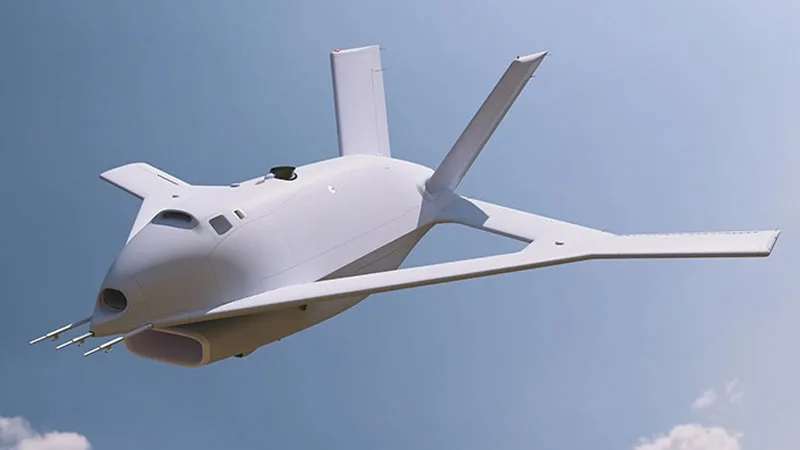
Aurora Flight Sciences, a subsidiary of Boeing, has reached a key milestone in the development of the innovative experimental aircraft known as the X-65. The aircraft’s fuselage has been transported to Virginia, where final system integration is now underway.
Departing from conventional flight control methods that rely on mechanical components such as rudders and flaps, the X-65 introduces an advanced active flow control (AFC) system. This novel technology manipulates jets of air emitted from the aircraft’s body to maneuver the plane during flight, an approach reminiscent of futuristic aerospace concepts.
In Virginia, technicians have started installing the avionics suite, propulsion units, and the AFC system that will replace traditional control surfaces. The use of airflow jets aims to provide precise, responsive control while potentially reducing the mechanical complexity and weight associated with standard control mechanisms.
The integration phase marks a critical progression toward testing and eventual flight demonstrations for the X-65. Aurora Flight Sciences and Boeing have positioned the project as an experimental platform to explore next-generation flight control technologies that could influence future unmanned and manned aircraft designs.
While specific timelines for flight testing and commercial application have not been disclosed, this development represents a significant advancement in aerospace innovation. The X-65’s active flow control system exemplifies the industry’s ongoing efforts to enhance aircraft performance and control through cutting-edge aerodynamics and engineering.
Aurora Flight Sciences progresses on X-65, an experimental plane controlled by airflow jets instead of traditional mechanical controls.