Advancements in CFET Technology Promise Faster, Smaller, and More Reliable Semiconductor Transistors
July 21, 2026
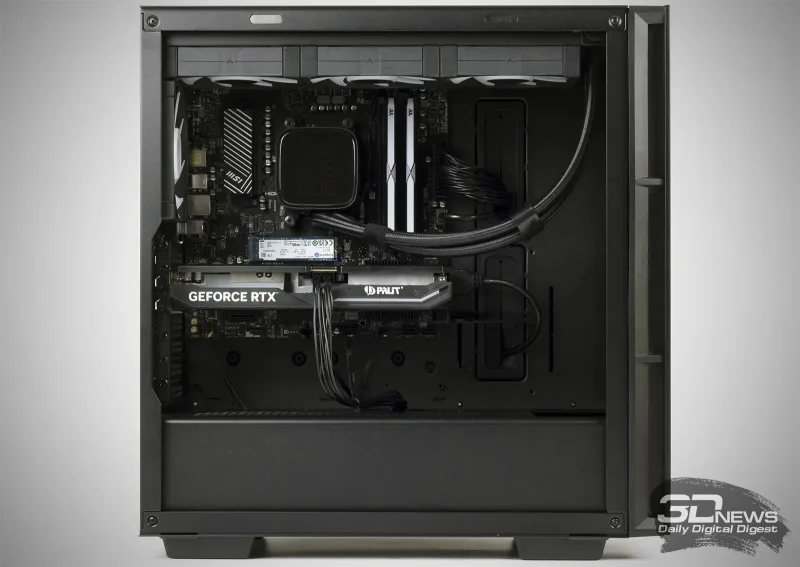
Since late 2025, consumers and hardware enthusiasts have dealt with significant shortages affecting key computer components. The memory chip deficit, which caused widespread concern among households, continues to impact the market in mid-2026. The scarcity extends beyond RAM and storage devices, influencing graphics cards and central processing units (CPUs) as well.
Industry analysts have been vocal about anticipated price increases across several critical parts necessary for building or upgrading gaming PCs. Rising costs are linked not only to production bottlenecks but also to the rising price of raw materials, such as copper. This metal is integral to manufacturing electrical components and circuits, indirectly driving up the cost of finished goods.
Moreover, the incomplete recovery from the global chip shortage is aggravated by a continuing energy crisis that affects factories and supply chains worldwide. Power constraints have led to production delays, further tightening the availability of components like processors and graphics cards.
For gamers aiming to build new systems, these combined factors present multiple challenges. Memory modules remain harder to procure, and their elevated prices can strain budgets. Similarly, storage solutions such as solid-state drives have not fully stabilized in terms of supply or cost.
The graphics card market, which has historically faced volatility, continues to be affected by these scarcity issues. High demand paired with constrained stock often results in elevated prices and limited options for consumers. Gaming PCs, which rely heavily on powerful GPUs, are thus impacted significantly.
Processors are also in short supply, with leading manufacturers unable to meet demand adequately. This shortage adds another layer of complexity for potential buyers trying to choose balanced and effective system builds.
Altogether, the market conditions in 2026 make assembling a new gaming PC a more considered and potentially costly endeavor compared to previous years. Gamers and PC builders may need to adjust their expectations or explore alternative configurations based on component availability and budget constraints.
Market watchers suggest that these difficulties will gradually ease as chip production ramps up and energy situations improve globally. Until then, buyers and enthusiasts are encouraged to stay informed about supply trends and pricing to make more strategic purchasing decisions.
Six months into widespread chip shortages, assembling a new gaming PC in 2026 remains complex amid memory, CPU, and energy constraints.