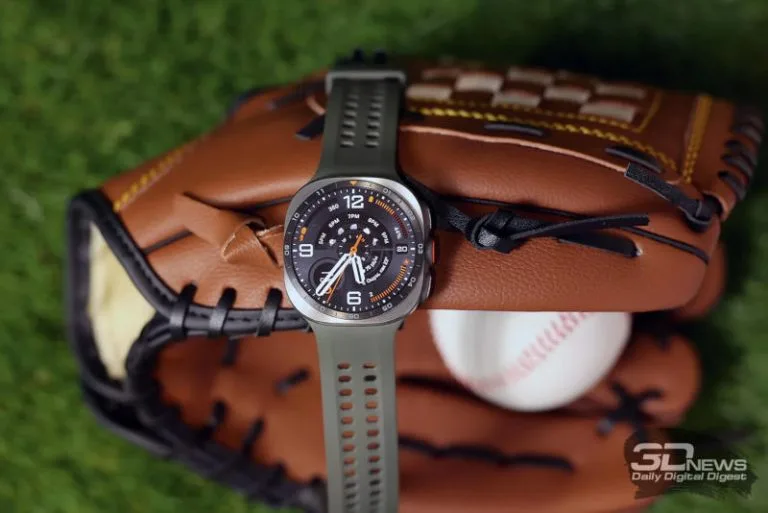
Samsung Unveils Galaxy Watch Ultra2 and Galaxy Watch9 Featuring Brighter Displays and Enhanced Performance
July 22, 2026
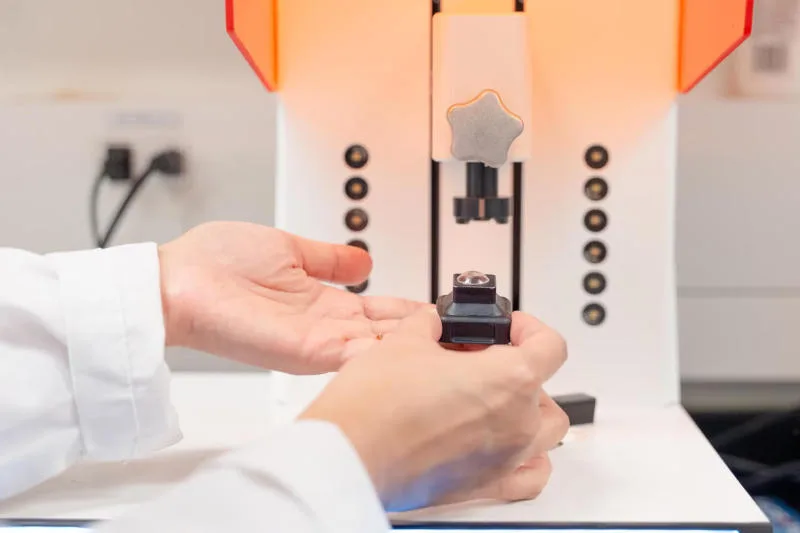
Contact lens technology has seen significant advancements over the decades, evolving from rigid glass designs to the soft, nearly invisible silicone hydrogel lenses commonly used today. Despite these innovations, individuals with irregular corneal shapes often face challenges in finding lenses that deliver both comfort and sharp vision.
Researchers at the University of Waterloo in Canada have announced a breakthrough approach by utilizing 3D printing technology to fabricate contact lenses tailored specifically to the wearer’s unique eye shape. This method aims to address the limitations of standard lenses, which frequently require compromises between fit and optical clarity.
Traditional contact lenses are designed based on average corneal geometries, which can leave those with atypical eye contours with suboptimal options that may cause discomfort or less effective vision correction. Custom fitting processes exist but are typically time-consuming and expensive, limiting accessibility.
The new technique leverages 3D printing to produce lenses that precisely conform to an individual’s cornea, potentially providing an improved balance of comfort and visual acuity. The use of advanced printing enables the creation of complex geometries that standard manufacturing methods cannot easily achieve.
While the detailed specifications and commercial availability of these 3D-printed lenses have not been disclosed, the development represents a promising advancement in personalized eye care. Manufacturers have long sought ways to integrate comfort, safety, and precise vision correction into a single contact lens design, and this technology may offer a pathway to that goal.
This innovation is part of a broader trend where additive manufacturing and material science intersect to create bespoke medical devices. The ability to customize items like contact lenses more efficiently could enhance patient outcomes and expand options for people with challenging visual conditions.
Further research and clinical testing will be necessary to establish the long-term safety and efficacy of 3D-printed contact lenses. However, the initial demonstration by University of Waterloo scientists suggests a significant step forward in addressing vision care needs through emerging manufacturing technologies.
Scientists at the University of Waterloo have pioneered 3D printing technology to create personalized contact lenses for improved comfort and vision.