App Store Sees Surge in New Apps Amid Growth of No-Code Platforms in Early 2026
July 21, 2026

Venus remains one of the most challenging planets for surface exploration due to its extreme environmental conditions. The planet’s surface endures temperatures near 460 degrees Celsius, pressures reaching up to 92 times that of Earth’s atmosphere, and a corrosive atmosphere rich in sulfur compounds. These factors have historically limited the operational lifespan of landers to mere hours.
The Soviet Union’s famed Venera missions of the 1970s and 1980s managed only brief surface operations, relying heavily on bulky thermal shielding and active cooling systems to endure the planet’s hostile environment. Such solutions, while groundbreaking at the time, have proven insufficient for longer-term studies.
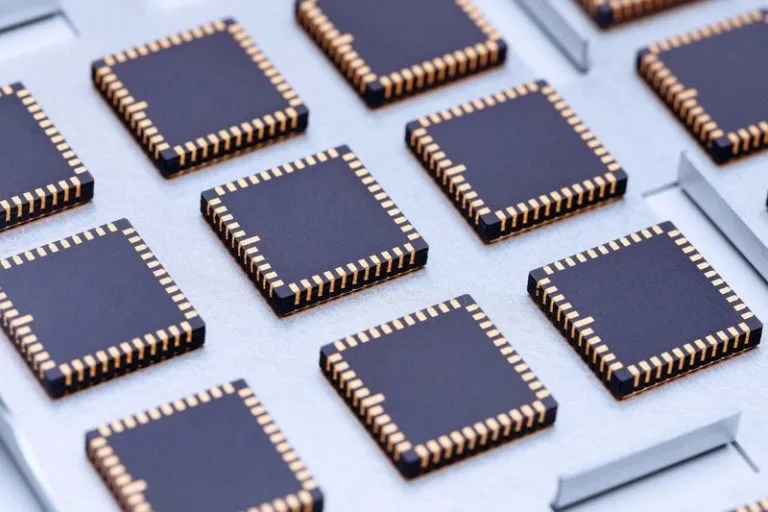
Emerging research into ceramic-based electronic components could significantly extend the durability of hardware operating on Venus. Unlike conventional silicon electronics, ceramic electronics can withstand much higher temperatures and corrosive environments without the need for extensive protective measures or active cooling. This technology promises to enable landers and instruments that operate not just for hours but potentially for days or weeks on the surface.
Ceramic materials exhibit resistance to thermal and chemical degradation, characteristics essential for sustained functionality in Venus’ extreme setting. By integrating these materials into the core of spacecraft electronics, engineers aim to simplify spacecraft architecture and dramatically improve mission lifespans.
Extended operation windows on Venus would unlock possibilities for increased scientific data collection, including detailed atmospheric studies and surface analyses. Improved electronics would also support more complex instruments and communications systems, enhancing the overall mission capability and scientific return.
These innovations mark a pivotal step toward overcoming long-standing obstacles posed by Venus’ environment. Developing reliable, high-temperature electronics tailored for the planet could reshape future mission designs, shifting away from heavily shielded, short-lived landers to more robust platforms capable of sustained exploration.
The adoption of ceramic electronics aligns with broader aerospace goals targeting exploration of extreme environments both within our solar system and beyond. As research in high-temperature electronics advances, it opens new frontiers for planetary science and robust robotic exploration in areas once considered prohibitive.
New ceramic electronics promise longer-lasting Venus landers, overcoming extreme heat, pressure, and corrosive atmosphere challenges.