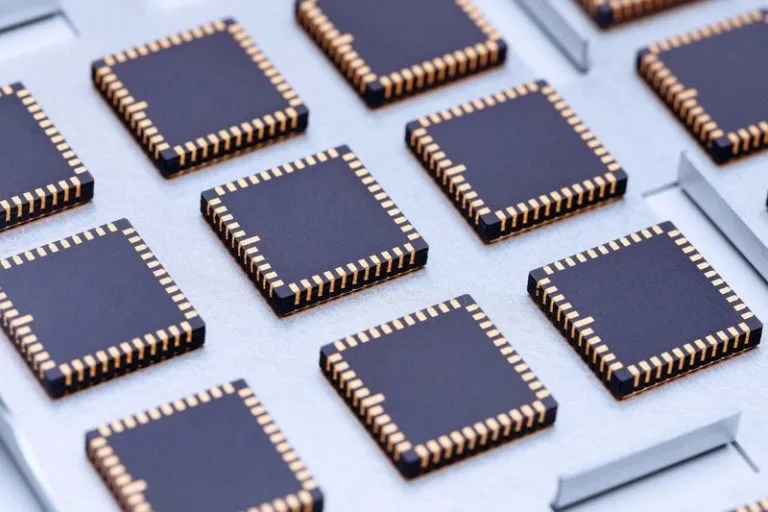
Advancements in CFET Technology Promise Faster, Smaller, and More Reliable Semiconductor Transistors
July 21, 2026

New evaluations reveal that China’s artificial intelligence (AI) infrastructure is vastly more powerful than previously estimated by U.S. analysts, with discrepancies reaching a factor of 6,000. This development underscores a significant reassessment of global AI computing capabilities and the intensity of competition between the world’s two largest economies.
China has traditionally been cautious and selective in disseminating detailed information about its economic and technological development. This reticence extends particularly to the domain of high-performance computing resources, which serve as the backbone for AI progress. Throughout 2023, China ceased reporting new supercomputers to the internationally recognized Top500 list, a move that has contributed to a dramatically underestimated view of its AI infrastructure on the global stage.
Experts suggest that the absence of Chinese systems from the Top500 rankings has led to a substantial undervaluation of its AI processing power. While Western assessments have relied heavily on publicly available metrics, the reality appears to indicate a colossal expansion in China’s AI compute environment that outpaces these earlier estimates by orders of magnitude.
This gap highlights the challenges faced by analysts in accurately gauging the scale of computing investments amid national strategic imperatives that prioritize secrecy and control over data disclosure. As a result, many have relied on indirect metrics and incomplete datasets, which now seem insufficient to capture the true extent of China’s AI infrastructure capacity.
The implications of this reassessment are profound. AI performance and innovation are closely tied to the availability of extensive computational resources, and China’s previously unaccounted-for capacity suggests that its position in AI development may be stronger than anticipated. This could influence future trajectories in AI research, commercial deployment, and geopolitical dynamics in technology.
Given the competitive landscape, understanding the actual scope and scale of AI infrastructure investments is vital for policymakers, industry leaders, and analysts aiming to anticipate shifts in technological leadership. As more information emerges, it may prompt further reevaluation of global AI power balances and the strategies that nations employ in this critical sector.
Recent findings suggest China’s AI computing capabilities surpass earlier U.S. assessments by a factor of 6,000, challenging established tech dominance views.