
Once Human Survival Simulator Set for Console Release with Crossplay and 120 FPS Support
July 12, 2026
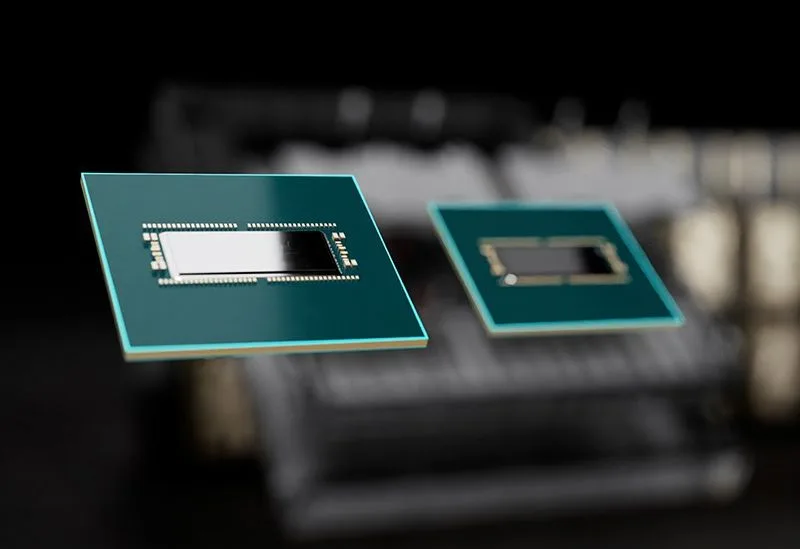
Chinese enterprises are increasingly favoring domestically produced artificial intelligence (AI) chips, with nearly half of their AI chip procurement budgets expected to be directed toward local suppliers within the next year. This shift reflects broader trends in China’s technology sector to reduce dependency on foreign components and strengthen its own semiconductor ecosystem.
According to recent market observations, companies in China are prepared to assign up to 46% of their allocated funds for AI chip purchases to products developed and manufactured by domestic firms. This represents a significant move toward import substitution, particularly in the context of geopolitical tensions and restrictions on certain U.S.-made technology imports.
The drive to prioritize Chinese AI hardware comes amid increasingly stringent controls and bans on accessing advanced foreign semiconductor technologies. Notably, the prohibition of importing some U.S.-origin AI accelerators, such as those produced by Nvidia, has accelerated efforts to promote homegrown alternatives across multiple sectors. Domestic AI chip manufacturers are benefiting from this push, gaining expanded opportunities to supply a growing market in China.
Industry analysts highlight that the development and deployment of locally sourced AI chips align with national strategies focused on technological self-reliance. By channeling substantial portions of investment budgets toward indigenous suppliers, Chinese firms aim to build a more resilient supply chain capable of supporting the country’s large-scale AI adoption goals without overreliance on overseas vendors.
The procurement trend also illustrates the increasing maturity of China’s semiconductor industry. Local AI chip companies have been steadily improving in design capabilities, performance, and production scale. These advancements position them as viable alternatives to international competitors, especially for domestic buyers seeking both technological innovation and regulatory compliance.
While details such as specific investment figures or exact market shares were not disclosed, the readiness of nearly half the AI chip budget to be funneled to local producers underscores the scale at which domestic semiconductor development is impacting purchasing decisions.
Overall, China’s emphasis on boosting homegrown AI semiconductor solutions signals a strategic pivot within the global technology marketplace. As companies increasingly embrace local suppliers to navigate export restrictions and geopolitical uncertainties, the global semiconductor landscape is poised for evolving dynamics.
This reallocation of spending toward domestic AI chips is expected to expedite growth in China’s semiconductor manufacturing capabilities and could influence competitive patterns in the international artificial intelligence hardware market in the years ahead.
Chinese companies are set to spend up to 46% of their AI chip procurement budgets on locally produced chips amid efforts to reduce reliance on imports.