Asus Launches ExpertCenter Pro ET900N G3 AI Desktop Featuring Nvidia GB300 Chip
June 15, 2026
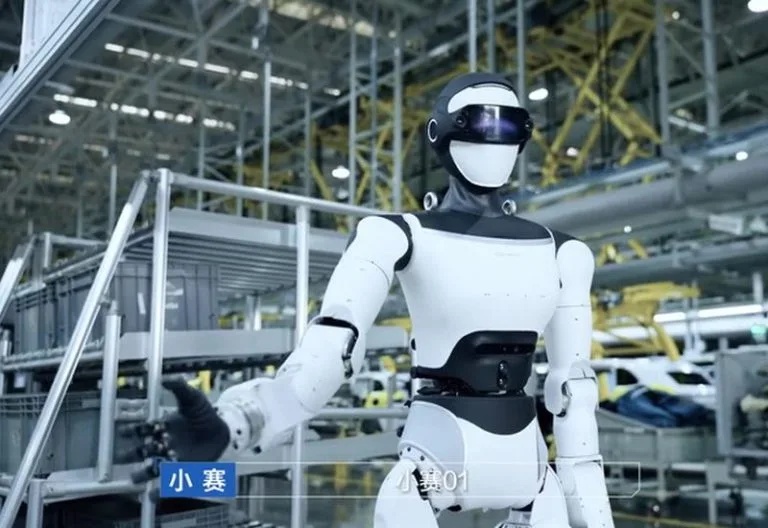
China’s higher education landscape is undergoing a significant transformation as universities across the country phase out thousands of traditional academic programs in favor of courses centered on artificial intelligence (AI) and robotics. This change aims to better equip graduates with skills relevant to the nation’s strategic technological priorities.
The sweeping reforms involve discontinuing more than 12,000 majors deemed outdated or insufficiently aligned with emerging industry demands. Reported by the South China Morning Post, this move reflects a wider push within China’s education sector to produce a workforce capable of supporting advanced technology sectors that hold critical importance for the country’s economic future.
Officials and academic leaders are directing resources towards developing a curriculum centered on cutting-edge technology fields, particularly AI and robotics, which are seen as fundamental to China’s ambition of becoming a global leader in innovation. This restructuring affects multiple disciplines, with a clear focus on integrating new science and technology majors that correspond to the evolving needs of modern industries.
By streamlining the academic offerings, universities intend to enhance the relevance and applicability of education for students, ensuring they are prepared for careers in fast-growing sectors. The emphasis on AI and robotics programs reflects the government’s prioritization of these fields as crucial drivers of future economic growth and technological competitiveness on the world stage.
This strategic realignment within Chinese universities signifies a broader acknowledgment of shifting global trends in labor demand and technological advancement. Education systems that once emphasized traditional fields are now pivoting to deliver more specialized, tech-focused expertise.
While specific details about the newly introduced programs, faculty adjustments, or student enrollment impacts have not been fully disclosed, the reform underscores a systemic commitment to fostering talent in areas deemed vital to national development. It also highlights the role of higher education as a key mechanism for enabling innovation and bridging the gap between academic training and industry requirements.
The transition reflects China’s proactive stance in adapting education policies to ensure alignment with its long-term strategic objectives, particularly in cultivating a skilled workforce capable of supporting robotics, AI, and broader technological advancements. This initiative is expected to influence the global technology landscape by contributing a new generation of professionals adept in cutting-edge areas.
Overall, the comprehensive update to university programs signifies a monumental step in reshaping China’s academic environment to better respond to rapid technological change and economic demands, marking an important evolution in the country’s approach to higher education.
Chinese higher education institutions have eliminated over 12,000 outdated majors, prioritizing AI and robotics disciplines to align with national development goals.