Advancements in CFET Technology Promise Faster, Smaller, and More Reliable Semiconductor Transistors
July 21, 2026
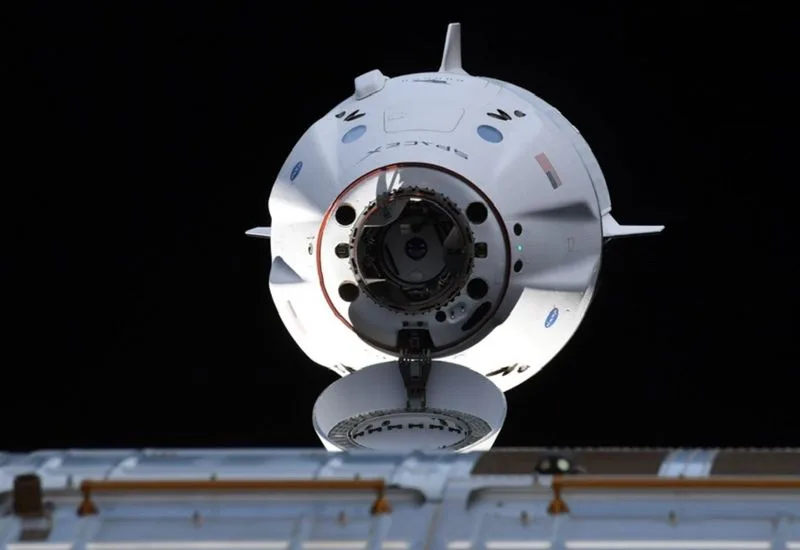
Spacecraft operating in the harsh environment of outer space face a persistent risk from mechanical damage caused by natural micrometeoroids and fragments of orbital debris. These impacts can lead to microcracks that compromise the structural integrity and longevity of space vehicles, posing significant challenges for long-duration missions.
In response to this critical issue, the European Space Agency (ESA) is spearheading the development of a novel material capable of autonomously repairing itself when microscopic cracks develop. This innovative technology aims to address the inevitability of physical wear and tear due to micrometeoroid collisions and space debris interactions over time.
The project focuses on creating materials embedded with self-healing properties, designed to regenerate and seal micro-damage without the need for manual intervention or external repair mechanisms. By enabling spacecraft to maintain structural integrity through self-repair, the technology promises to reduce maintenance challenges and extend the operational lifespan of space missions.
Mechanical damage from natural space environment hazards has historically posed a threat to spacecraft safety, mission success, and hardware reliability. Dust particles, micrometeoroids, and debris traveling at extremely high velocities collide with spacecraft, creating microfractures that accumulate and worsen during prolonged missions.
ESA’s initiative to incorporate self-repairing materials into spacecraft construction aligns with broader goals to advance sustainable and resilient space technologies. Such materials could play a pivotal role in upcoming long-term explorations, including satellite constellations, deep space probes, and crewed spacecraft, where maintenance opportunities are limited or non-existent.
While specific details regarding the material composition, testing phases, or timeline have not been fully disclosed, ESA’s research highlights the growing importance of adaptive and intelligent materials in addressing the unique challenges of space travel. Continued progress in this field may reshape fundamental design approaches, enabling more robust and autonomous spacecraft systems.
These developments also reflect global efforts to address the dangers posed by orbital debris, which threatens active satellites and future missions. By equipping spacecraft with damage-resilient materials, the aerospace industry moves closer to mitigating the consequences of the increasingly crowded space environment.
As space missions become more ambitious and extend further from Earth, innovations like ESA’s self-healing material will be crucial for ensuring the durability and success of spacecraft operating far beyond the reach of conventional repair methods.
The European Space Agency is creating a new material designed to autonomously repair micrometeoroid and debris damage on spacecraft.