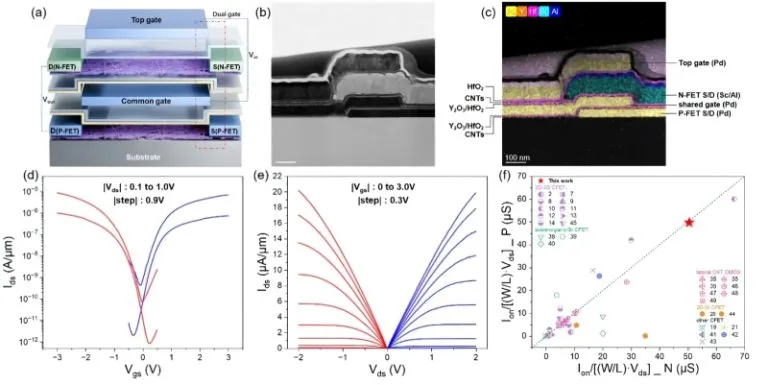
Advancements in CFET Technology Promise Faster, Smaller, and More Reliable Semiconductor Transistors
July 21, 2026
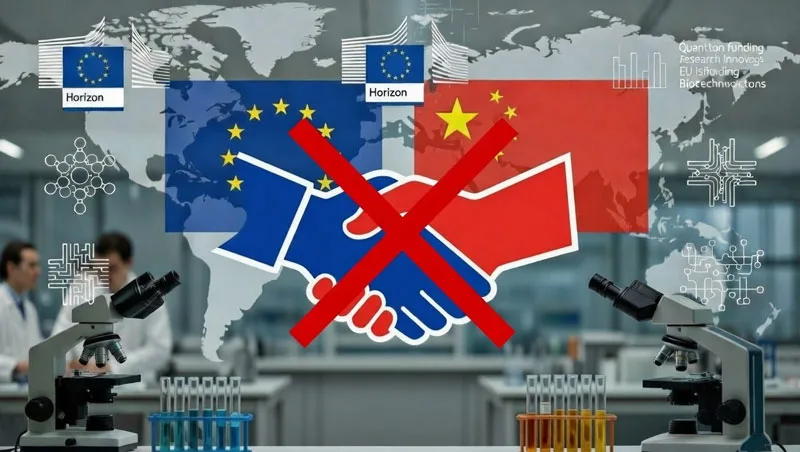
The European Union has recently implemented a significant change in its research funding strategy by excluding scientists affiliated with China from receiving grants in several critical technological fields. This move targets key areas under Horizon Europe, the EU’s flagship research and innovation program with a budget of €93 billion.
Starting this year, Chinese-based researchers are restricted from accessing funding for priority technology domains such as artificial intelligence, quantum technologies, semiconductors, and biotechnology. These sectors are deemed strategically important to maintain Europe’s technological leadership and security.
Despite the broad ban, the EU has preserved collaborative funding opportunities in areas related to biodiversity and climate science. This approach signals a pragmatic balance between safeguarding technological sovereignty and continuing international partnerships in critical global challenges.
Horizon Europe, launched to stimulate innovation across the continent, supports wide-ranging projects spanning multiple disciplines. The decision to limit participation from Chinese scientists in certain tech fields represents a strategic response to concerns over technology transfer and geopolitical risks.
While detailed conditions and enforcement mechanisms have not been publicly outlined, this policy marks a clear shift toward prioritizing European interests in cutting-edge technology development. The sectors retaining inclusion of Chinese researchers reflect ongoing commitments to crucial environmental research where global collaboration remains essential.
The European Union’s repositioning in research financing is part of a broader context where technology competition and international relations increasingly influence science funding policies. By restricting grants in some fields while upholding them in others, the EU aims to protect its innovation ecosystem without entirely severing scientific cooperation with China.
Further developments and potential adjustments to Horizon Europe’s eligibility criteria for international scientists will likely unfold as the geopolitical landscape evolves. Meanwhile, researchers and institutions worldwide observe these changes closely due to their influence on global research collaboration dynamics.
The EU has stopped financing China-affiliated scientists in critical tech sectors while maintaining support in climate and biodiversity research.