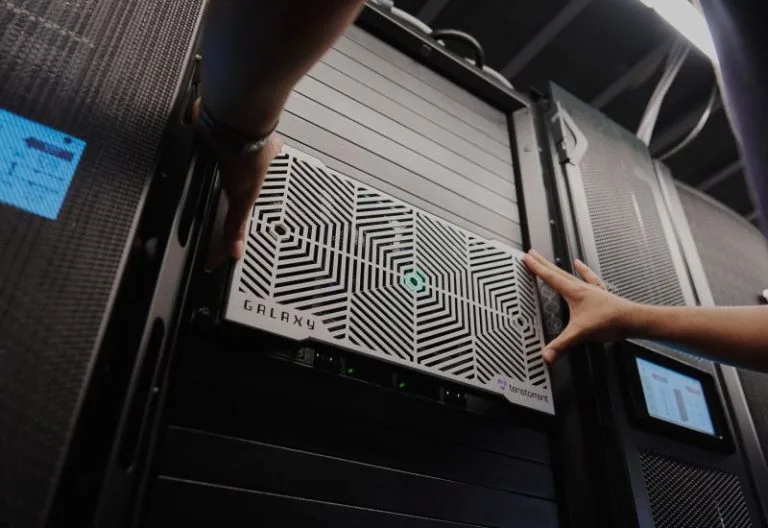
Qualcomm Explores Acquisition of AI Chip Startup Tenstorrent for Up to $10 Billion
June 16, 2026
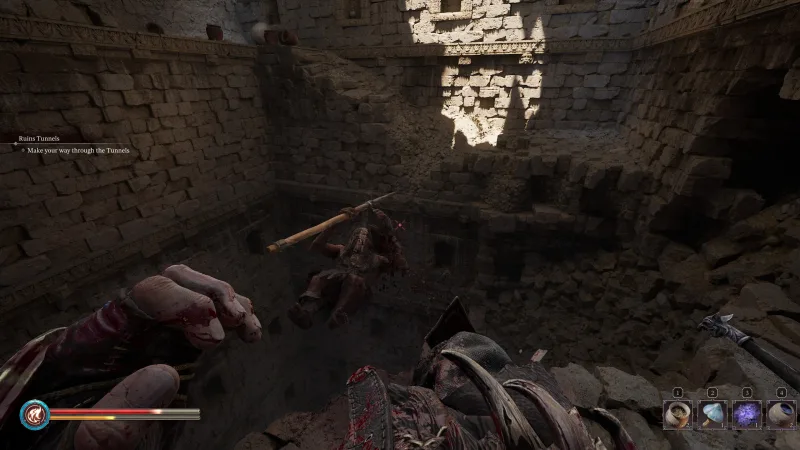
Fatekeeper, a role-playing action game, has recently entered early access, drawing attention for its ambitious approach to combining physics-based gameplay, magic systems, and open-ended combat mechanics. The game positions itself as a spiritual successor to titles that emphasize player freedom in combat, sparking comparisons to classic RPGs like Dark Messiah.
At its core, Fatekeeper attempts to create an immersive experience where the interplay of physical forces and magical effects allows for dynamic combat improvisation. Players can expect a sandbox-style arena where environmental factors and spells interact in compelling ways. The game’s developers highlight a design philosophy that prioritizes player choice and creativity in battles, opening the door for diverse tactical approaches.
Despite these promising features, the current state of the game reflects the challenges typical of early access titles. While the physics and magic mechanics seem to function as intended on the surface, certain limitations and bugs are still evident. These issues impact the overall fluidity of the combat experience, sometimes disrupting the intended freedom of movement and interaction.
Additionally, Fatekeeper offers a role-playing framework that supports character progression and customization. However, the available content and depth at this stage remain limited, which is understandable given the game’s ongoing development. Players interested in exploring the full potential of Fatekeeper’s systems may find the current offering somewhat preliminary but indicative of future possibilities.
Community feedback has been instrumental in shaping ongoing updates, with the developers actively engaging players to refine the physics engine and balance magical abilities. This collaborative approach aims to enhance the gameplay loop and resolve early-stage shortcomings before the title moves out of early access.
Ultimately, Fatekeeper stands as an intriguing project for fans of action RPGs who appreciate experimental combat mechanics involving physics and magic. While not without its growing pains, the game showcases a foundation that could evolve into a distinctive offering within the genre. Further development and polish will be necessary to fully realize its potential.
Details regarding the final release timeline, pricing, and platform availability remain unannounced as the game continues to develop in early access.
Fatekeeper enters early access showcasing a role-playing action game focused on physics, magic, and combat improvisation, with mixed results so far.