Advancements in CFET Technology Promise Faster, Smaller, and More Reliable Semiconductor Transistors
July 21, 2026
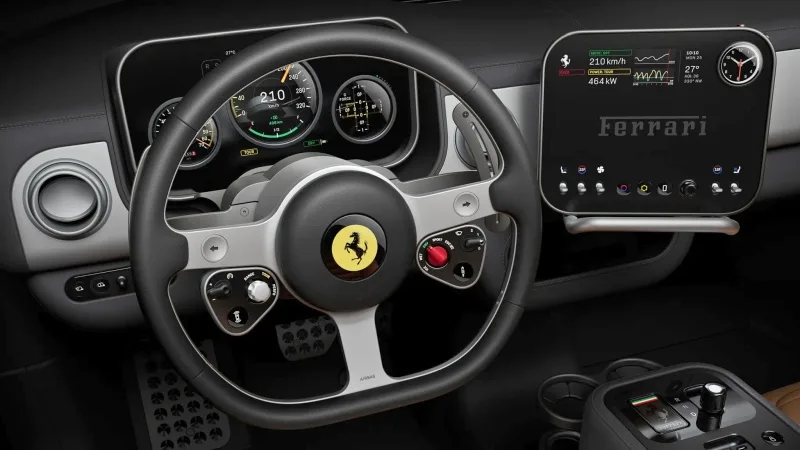
Benedetto Vigna, the CEO of Ferrari, recently shed light on the increasing integration of touchscreens in modern vehicles during an extensive interview with British automotive publication Autocar. His comments reveal a pragmatic perspective on the adoption of touchscreen technology, highlighting both economic and market-driven factors.
During the discussion, Vigna acknowledged the complex dynamics behind automotive design decisions, noting that touchscreen interfaces have become widespread partly because they cost approximately half as much as traditional mechanical buttons to develop and implement. This substantial cost advantage plays a crucial role for manufacturers aiming to balance innovation with budgetary constraints amid a rapidly evolving industry landscape.
Beyond economics, Vigna pointed to another significant rationale: the attraction of a younger customer base. Touchscreen interfaces offer a modern, digital experience that aligns more closely with the preferences of younger buyers who are increasingly tech-savvy and expect their vehicles to deliver seamless connectivity and interactive features. Ferrari’s acknowledgment of this trend underscores a broader shift within the automotive world where user experience and technology integration are becoming pivotal to brand competitiveness.
These insights came in the context of a broader conversation that also touched on topics such as emerging markets, like India, the impact of free trade, and the uncertainties facing the electric vehicle sector. They reflect Ferrari’s awareness of the multifaceted challenges and opportunities that characterize today’s automotive environment.
The shift toward digital control interfaces marks a significant change from traditional vehicle interiors that relied heavily on arrays of physical buttons and knobs. While some enthusiasts lament the loss of tactile controls, the cost efficiency and transformative user experience offered by touchscreens have led to their rapid adoption across various segments, including high-performance brands like Ferrari.
As automakers continue navigating the transition to electric powertrains and connected technologies, touchscreens are expected to remain a key feature in new vehicles, serving both functional and aesthetic purposes. Vigna’s comments provide valuable insight into how luxury carmakers reconcile heritage and innovation amid these ongoing industry shifts.
Ferrari’s CEO reveals touchscreens are half the cost of traditional buttons and attract younger consumers, influencing automotive design choices.