App Store Sees Surge in New Apps Amid Growth of No-Code Platforms in Early 2026
July 21, 2026
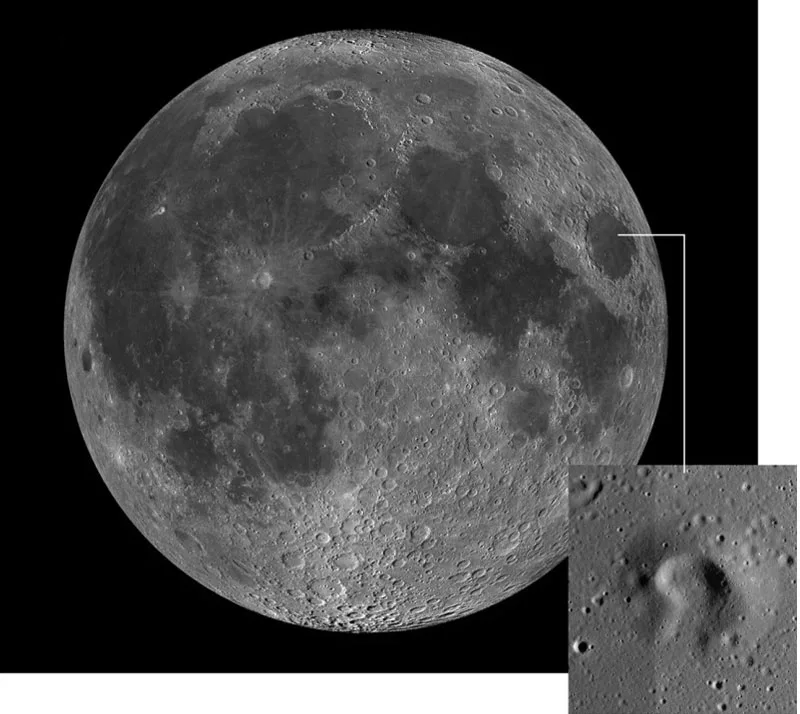
In March 2025, Firefly Aerospace’s lunar lander Blue Ghost successfully touched down in the Mare Crisium region, a volcanic plain on the Moon’s near side. This site was strategically chosen for scientific investigation due to its previously assumed cooler surface temperatures compared to regions explored by earlier Apollo missions.
Blue Ghost’s recent measurements have challenged these long-held assumptions. Data collected from the landing site indicate that the lunar surface in Mare Crisium is not as cold as scientists anticipated. This new temperature information provides an updated understanding of the Moon’s thermal environment, suggesting that regional variations in surface conditions may be more complex than earlier research indicated.
The selection of Mare Crisium was driven by its geological characteristics and the potential for new discoveries. It represents a distinct volcanic landscape different from the lunar highlands and the Apollo-visited areas, which prompted Firefly Aerospace to focus its mission there. The unexpected thermal readings highlight the value of sending modern spacecraft equipped with advanced instruments to revisit and reassess lunar terrains.
This mission adds to mounting evidence that the Moon’s environment includes unexplored nuances potentially crucial for future exploration and scientific study. Understanding surface temperature variations is important not only for the science of lunar geology but also for planning the habitats and operations of human or robotic explorers.
Firefly Aerospace’s Blue Ghost mission, by successfully operating in this challenging location and contributing new data, underscores an emerging period of renewed lunar activity. As nations and private companies alike expand their reach toward the Moon, fresh insights such as these will play a key role in shaping programs and technologies aimed at sustained exploration.
Further analyses and ongoing missions are expected to build on the findings from Blue Ghost, refining models of lunar conditions and supporting objectives for resource utilization, scientific research, and long-term presence on the Moon.
Blue Ghost lunar lander shows Mare Crisium is warmer than previously believed, challenging earlier assumptions about the Moon’s surface conditions.