App Store Sees Surge in New Apps Amid Growth of No-Code Platforms in Early 2026
July 21, 2026
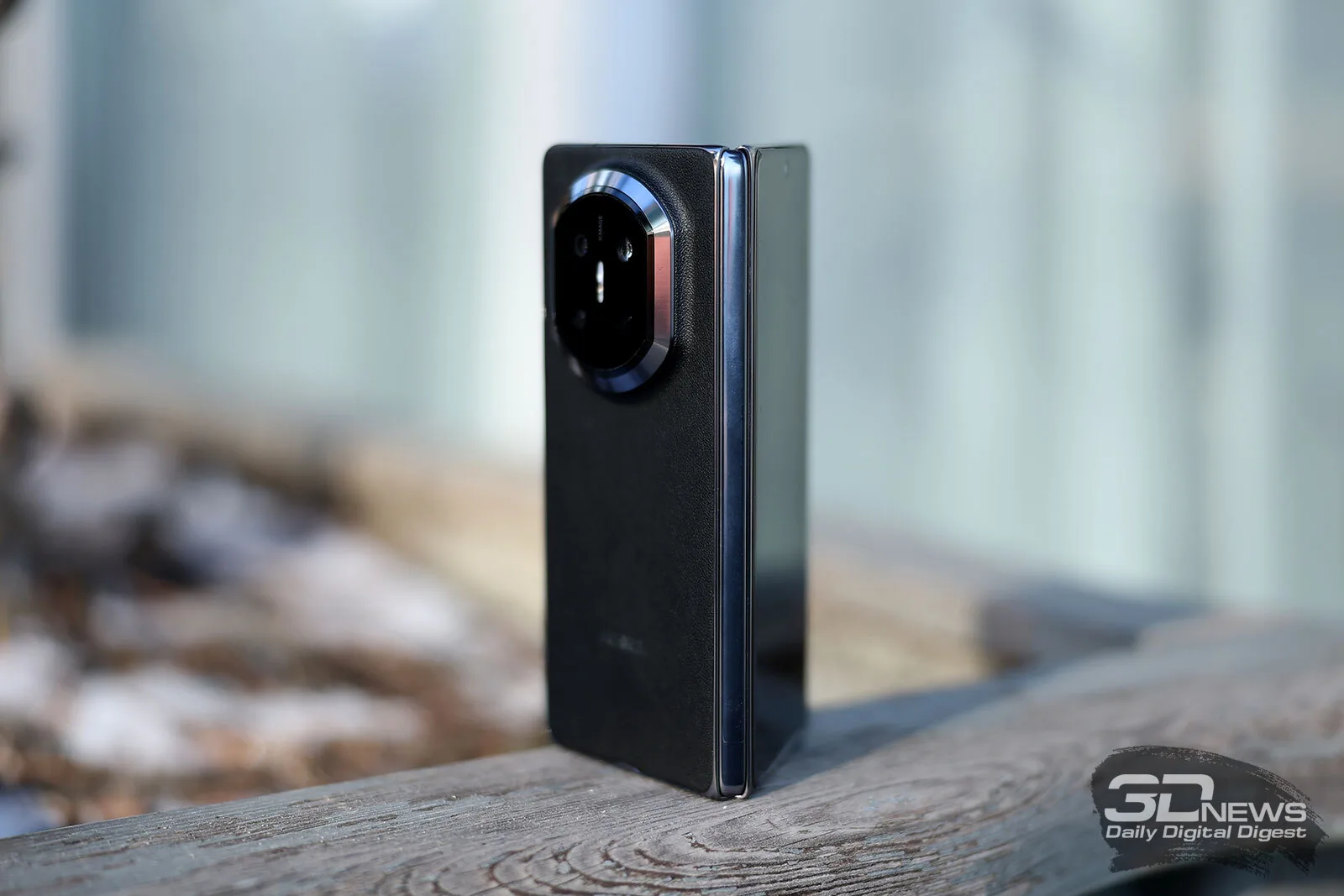
Foldable smartphones, initially celebrated as a breakthrough in mobile device design, faced early setbacks due to concerns over their fragility and high pricing. Once regarded as niche gadgets tailored to early adopters and tech enthusiasts, these devices are now showing notable improvements in durability and robustness, signaling a shift in their market positioning.
When foldable displays first emerged, they promised an innovative blend of smartphone portability with tablet-like screen real estate. However, this innovation brought a series of challenges. The flexible screen technology required manufacturers to use delicate materials that were susceptible to damage from pressure, sharp objects, or even repeated folding. As a result, these devices demanded careful handling, which limited their wide-scale adoption among average consumers.
Moreover, the cost of foldable smartphones remained prohibitive, partly because of the advanced engineering involved and the expensive components needed to realize flexible displays. This combination of fragility and high cost initially confined foldable phones to a specialized segment of the market, often seen as luxury or experimental items rather than mainstream products.
Recent trends indicate a positive transformation. Industry stakeholders have focused on enhancing the structural integrity of foldable devices through innovations in materials and hinge mechanisms. Manufacturers are increasingly employing stronger substrates under the flexible screens as well as improved protective coatings that resist scratches and tears better than before. The mechanical aspects of the hinges have also been refined to withstand frequent unfolding without degradation.
These durability improvements coincide with a growing interest from consumers who value the versatility foldable smartphones offer. As reliability concerns lessen, foldables are becoming more attractive alternatives to conventional rigid smartphones, particularly for users seeking larger displays that remain compact when closed.
Although specific technical specifications and pricing details vary by brand and model, the trajectory toward sturdier, more practical foldable smartphones is clear. This shift supports broader accessibility and usability, encouraging manufacturers to innovate further and potentially driving down costs as production scales.
Ultimately, foldable smartphones are transitioning from fragile, high-end curiosities to increasingly resilient mobile devices designed for everyday use. The combination of improved durability and evolving user-friendly features may well broaden their appeal and establish their place in the mainstream smartphone market.
Foldable smartphones are overcoming early durability challenges, moving past fragile designs to more robust and user-friendly devices.