
US Considers Restrictions on Chinese Open-Weight AI Models Including Kimi K3
July 21, 2026
France is undertaking a significant shift in its government IT infrastructure by planning to move away from Microsoft Windows and other non-European software platforms. The government has directed its ministries to submit detailed transition plans by the fall of 2026, signaling a broader strategy to reduce reliance on American technology providers across key areas of public sector operations.
The initiative covers a wide range of IT components beyond desktop operating systems. French ministries will be tasked with developing strategies to replace current tools not only in the realm of workplace operating systems but also in software for collaborative work, cybersecurity solutions, artificial intelligence, database management, virtualization platforms, and network equipment.
The push for a comprehensive review and replacement reflects France’s intent to address concerns around digital sovereignty, aiming to rely more on European technology standards and suppliers. This move aligns with a growing trend among European nations looking to diversify their IT ecosystems and reduce dependency on dominant foreign vendors, particularly those based in the United States.
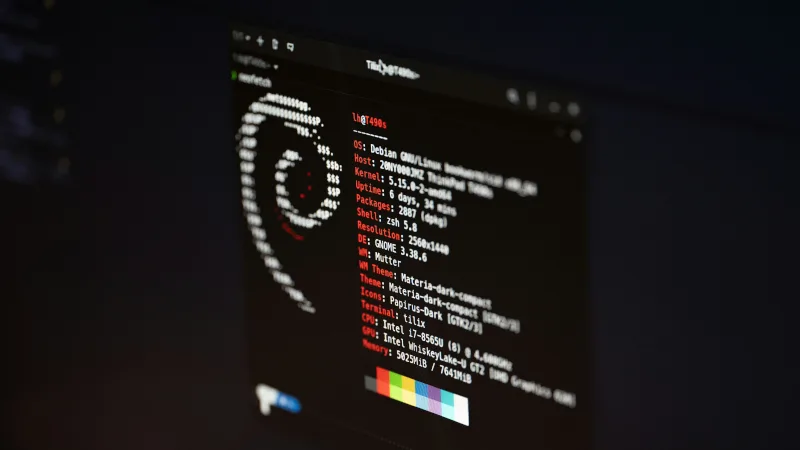
While no specific technology vendors or software packages slated for removal were disclosed, the directive clearly conveys a preference for open-source operating systems like Linux as alternatives to proprietary Windows installations. Ministries will have until the fall of 2026 to prepare detailed plans outlining how they will transition their IT systems, including timelines and potential impacts on existing infrastructure.
Beyond just operating systems, the directive emphasizes key IT infrastructure sectors such as AI tools and security frameworks, indicating a holistic approach to modernizing government technology. Efforts to localize or Europeanize critical IT components such as databases and virtualization technologies are expected to be part of the upcoming plans, aiming to strengthen supply chain resilience and autonomy in digital operations.
This initiative marks a notable development in how European governments are rethinking their technology strategies amidst evolving geopolitical and cybersecurity realities. France’s shift could influence other countries within the European Union to follow suit and accelerate efforts to diversify their IT environments.
Details regarding budget allocation, specific technology replacements, and interim measures during the transition period have not been disclosed. However, the overall mandate establishes a clear deadline and a strategic direction for France’s public sector, initiating one of the more ambitious government-led pushes toward open-source adoption and digital independence.
France mandates government ministries to plan for phasing out Windows and other non-European software by late 2026.