
Russia to Pilot Autonomous Tuggers for Baggage Transport in Airports
July 15, 2026
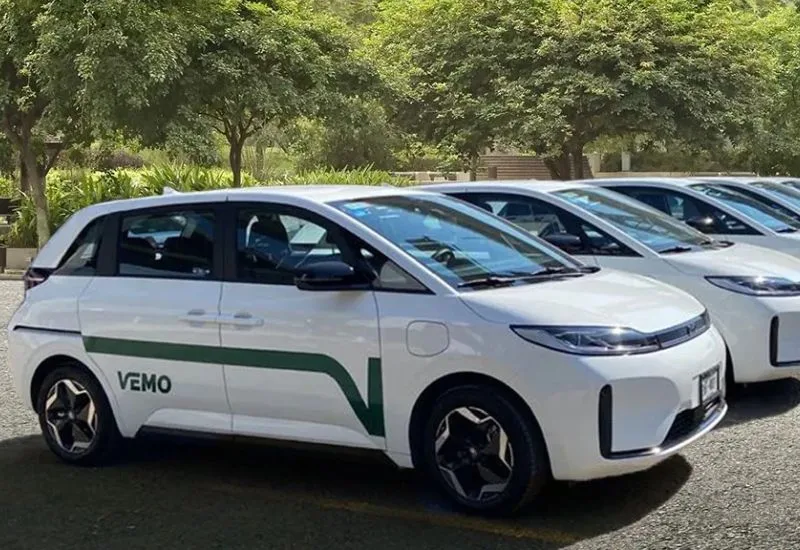
China is witnessing a significant shift in its urban transportation landscape as disruptions in fuel supply have accelerated the adoption of electric taxis. The challenges faced in fuel availability, influenced by complications in Middle Eastern oil supplies, are pushing cities and fleet operators toward cleaner and more sustainable energy options.
The Chinese electric vehicle (EV) market has long been a frontrunner globally, primarily due to domestic companies such as BYD, the country’s flagship manufacturer known for its extensive range of hybrid and fully electric vehicles. This leadership position has established China as a natural ground for the expansion of electric taxi services, which are now gaining momentum amid the broader fuel crisis affecting conventional automotive sectors.
With fluctuating fuel inventories and increased costs, taxi companies and ride-hailing services are gradually replacing internal combustion engine (ICE) vehicles with electric models. This movement not only supports urban air quality improvements but also aligns with government policies geared toward reducing fossil fuel dependency and promoting green transportation solutions.
Alongside taxi fleets, electric car rental services are emerging as a popular alternative, offering users convenient and eco-friendly mobility options. These services leverage the growing availability of electric vehicles and charging infrastructure, contributing to a diversified approach in urban travel and transport services.
The transition gains further traction given that electric vehicles often benefit from lower operational and maintenance costs compared to traditional vehicles. Moreover, enhanced battery technologies and increasing vehicle ranges are making electric taxis a feasible option to meet the demanding usage patterns in metropolitan areas.
Although detailed deployment numbers and future projections have not been released, industry observers recognize that China’s ongoing fuel supply challenges act as a catalyst for accelerating electric mobility adoption. This trend could set a precedent for other regions grappling with similar energy supply uncertainties.
As this transformation unfolds, it will be critical to monitor the impacts on urban transport ecosystems, infrastructure development, and environmental outcomes. China’s experience may offer valuable insights into how fuel crises can hasten the shift toward electrified transportation and shape the future of mobility worldwide.
Fuel supply disruptions are driving rapid expansion of electric taxi fleets and EV rental services across China, home to leading EV manufacturer BYD.