US Considers Restrictions on Chinese Open-Weight AI Models Including Kimi K3
July 21, 2026
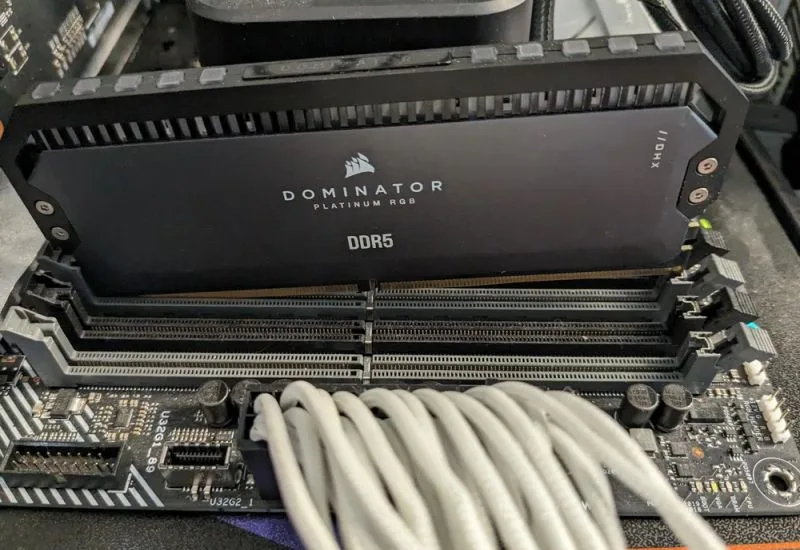
At the recent Game Developers Conference (GDC) 2026, industry professionals discussed the influence of artificial intelligence on game development, with a notable focus on an emerging challenge: memory shortages. This scarcity is not only delaying the launch of next-generation gaming consoles but also driving developers to reconsider how games utilize hardware resources.
Developers at GDC 2026 shared varying perspectives on AI’s growing role in their workflows, yet the conversation repeatedly returned to the practical limitations posed by the current memory supply situation. The shortage of memory components is creating a ripple effect across the gaming sector, leading to increased production costs and postponements in console availability. These issues have made it imperative for studios to prioritize game optimization strategies that better align with existing hardware capabilities.
Optimization efforts are centering around reducing the memory footprint of games to accommodate the limited availability of high-capacity memory modules without compromising gameplay quality. By refining system requirements, developers aim to maintain performance standards while easing pressure on the hardware supply chain.
This shift arrives at a time when technological advancements are pushing game complexity to new heights, often demanding more robust hardware configurations. Balancing innovation with practical limitations represents a growing challenge for game creators navigating an unpredictable component market.
While specific technical approaches vary, the industry consensus highlights a renewed emphasis on efficient coding, asset management, and overall resource utilization. These methods are seen as crucial in managing production costs and accelerating time-to-market for new titles amidst fluctuating hardware availability.
The dialogue at GDC 2026 reflects broader concerns within the technology landscape, as memory shortages are not limited to gaming but impact multiple sectors. For gamers and industry watchers alike, these developments underscore the interconnected nature of hardware supply and software evolution.
As memory scarcity continues to influence the market, game developers are expected to persist in innovating their optimization techniques, ensuring games remain accessible and performant across current and near-future hardware platforms.
Memory shortages are prompting game developers to rethink optimization and system requirements, impacting console releases and costs.