App Store Sees Surge in New Apps Amid Growth of No-Code Platforms in Early 2026
July 21, 2026
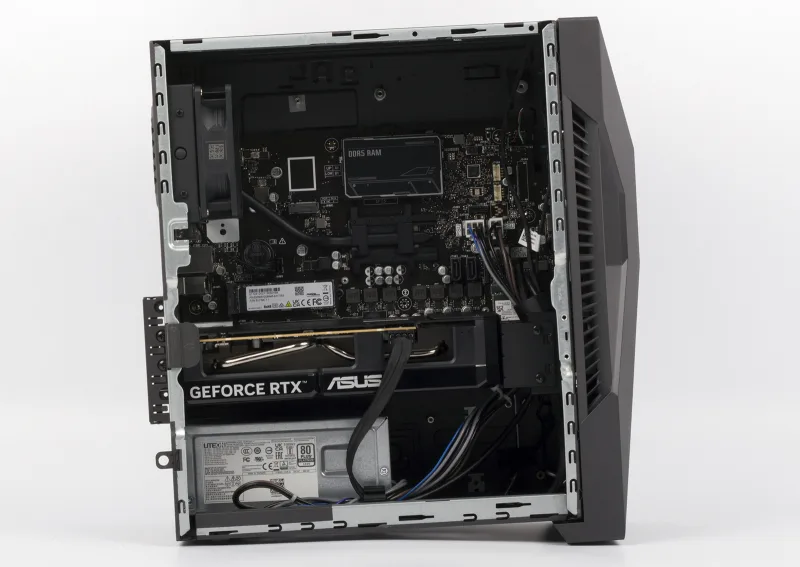
The current state of the gaming PC hardware market presents an intriguing picture, reflecting a period of relative calm amid ongoing challenges. While gamers and PC builders have grappled with fluctuating prices in recent years, recent trends suggest a temporary stabilization of hardware costs, even as the semiconductor shortage continues to affect the industry.
In recent months, prices of gaming PC components, particularly memory modules, have ceased their rapid and often unpredictable increases. This halt in price surges comes after a prolonged period marked by scarcity-induced inflation, which saw costs outpace reasonable expectations. Such stabilization hints at a market adjustment, where supply chains may be managing to partially meet existing demand, thus alleviating some of the pressure on pricing.
This slowdown in cost escalation is especially notable for gaming-related memory technologies, a crucial aspect of modern PC building. Various forms of memory, integral to graphics cards, system RAM, and storage devices, have seen their price trajectory level off. This equilibrium benefits enthusiasts looking to upgrade or build new systems without facing historically high costs.
Despite this respite in price surges, the broader issue of semiconductor scarcity remains unresolved. The global chip shortage, which has affected numerous sectors beyond gaming—from automotive to consumer electronics—continues to pose risks to supply stability. Industry observers characterize this scenario as a ‘calm before the storm,’ suggesting that the market may yet experience renewed volatility as demand dynamics and manufacturing capabilities evolve.
Chip shortages have been a persistent challenge since the early 2020s, driven by heightened demand for electronic devices, pandemic-related disruptions, and complex geopolitical factors. The gaming PC sector, reliant on cutting-edge chipsets and memory components, has felt the impact acutely. Although recent trends provide some relief in terms of price steadiness, the foundational supply constraints have not been fully resolved.
Looking ahead, manufacturers and consumers alike remain cautious. While current pricing offers a more predictable environment, uncertainties surrounding chip availability could influence future market behavior. The technological demands of upcoming gaming hardware generations will likely place additional pressure on semiconductor production, adding complexity to an already fragile supply landscape.
In summary, the gaming PC hardware market in early 2026 suggests a temporary lull in pricing turbulence amid persistent challenges. This phase allows for cautious optimism among gamers and builders, though the unresolved semiconductor shortage underscores the need for continued attention to supply chain developments. The industry stands at a potential turning point, where future innovations and production adjustments will shape the accessibility and cost of gaming technology moving forward.
The gaming PC hardware market experiences price stability despite persistent chip shortages, signaling a calm before potential industry shifts.