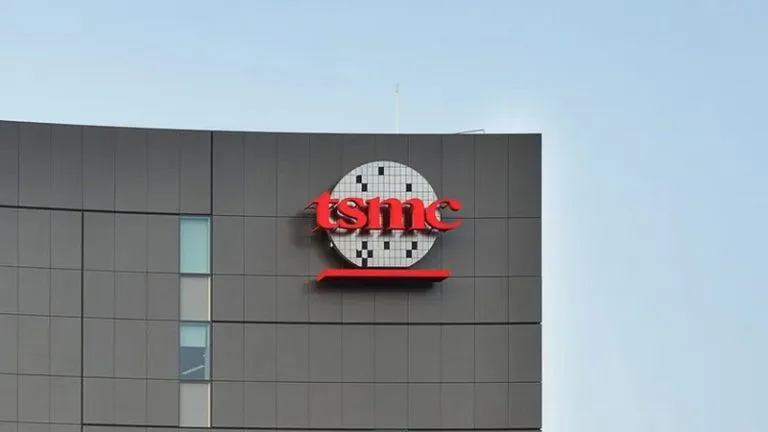
Advancements in CFET Technology Promise Faster, Smaller, and More Reliable Semiconductor Transistors
July 21, 2026

Since the rise of generative artificial intelligence, there has been considerable anticipation that this technology would ease employees’ responsibilities and free up time for other tasks. However, emerging data challenge this optimistic outlook, indicating that the introduction of AI systems into workplace operations has corresponded with a notable increase in employee workload and work intensity.
Companies across various sectors have incorporated generative AI tools with the expectation that automation and intelligent assistance would streamline everyday workflows. The premise was clear: AI would handle routine or repetitive tasks, enabling staff to focus on higher-value activities or decrease working hours. Yet statistics collected from businesses adopting these technologies reveal a different reality—employee work demands frequently rise instead of falling.
Rather than serving as a labor-saving device, generative AI appears to amplify the pace and volume of work required from staff. Employees are often tasked with more extensive content generation, quicker turnaround times, and greater oversight responsibilities in managing AI outputs. This growing scale and complexity of work contribute to heightened pressure and workload levels, counteracting the initial promise of productivity gains through AI.
Several factors may contribute to this outcome. First, the deployment of AI tends to expand the scope of tasks rather than replace them, resulting in employees taking on additional responsibilities. Second, output generated by AI requires verification, editing, and contextualization, which can add to the time spent by human workers. Third, management may increase expectations as AI tools become embedded, pressing teams to deliver more content or services without reducing staffing.
The technological integration frequently changes the nature of roles, demanding new skills, a sharper focus on AI oversight, and multitasking between human and machine workflows. In many organizations, this leads to an intensification of work tempo and a perception of continuous availability and responsiveness.
Researchers and industry observers have noted that the anticipated net effect of AI on workload has not yet manifested in substantial time savings or reduced labor input. Instead, employees report feeling overburdened as work intensifies, which poses challenges related to well-being and job satisfaction. This trend also raises questions about the true cost-effectiveness and human impact of adopting generative AI in enterprise environments.
While AI undoubtedly brings capabilities that can enhance productivity and creativity, the current statistical evidence urges caution. Merely implementing AI tools is insufficient to guarantee workload relief unless accompanied by organizational changes that address the redistribution of tasks, realistic performance goals, and employee support measures.
As generative AI continues to evolve and proliferate, further studies will be essential to understand its long-term implications for employment conditions. Organizations seeking to benefit from AI technologies are encouraged to consider the holistic effects on workers and tailor strategies that balance technological advancement with sustainable labor practices.
Contrary to expectations, generative AI integration in companies is linked to heavier workloads and more intense work, not time savings for employees.