Vivo X300 E Launches Soon with Zeiss Optics and Massive 7200mAh Battery
July 20, 2026
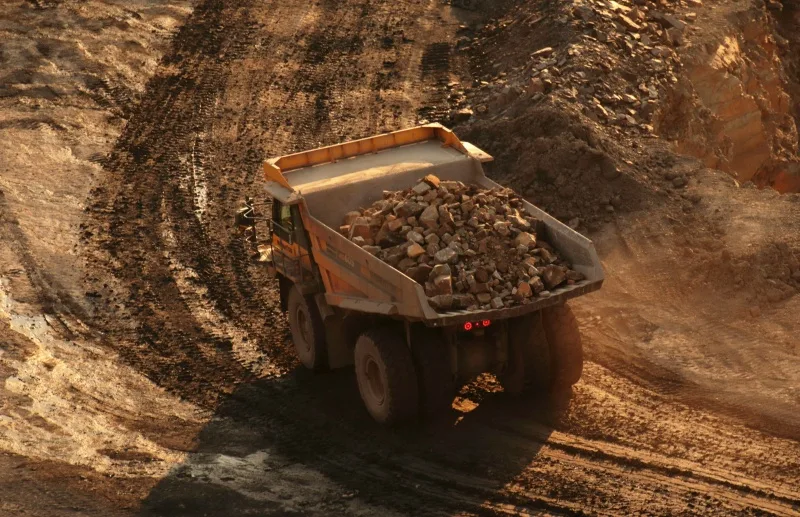
Cobalt, a critical raw material used in batteries, aerospace, and defense technology, is facing a pronounced global supply shortfall expected to last until at least 2030. Industry analysts from Fastmarkets report that cobalt prices have surged by more than 160 percent amid rising demand and supply constraints.
The primary driver behind this supply disruption is the Democratic Republic of Congo (DRC), which accounts for over 70 percent of global cobalt production. In February 2025, the DRC government halted cobalt exports, and by October of the same year, it introduced stringent quotas on cobalt shipments. These measures have created a significant deficit in the availability of cobalt hydroxide, a key product sourced from the region.
The cobalt shortage poses considerable challenges across multiple sectors. Battery manufacturers rely heavily on cobalt for lithium-ion batteries that power electric vehicles and various portable electronics. Additionally, aerospace and defense companies use cobalt in high-performance alloys and specialized components.
With limited supply and escalating prices, businesses across these industries are compelled to adjust their sourcing strategies or seek alternative materials. The deficit of more than 82,000 metric tons of cobalt hydroxide resulting from the DRC’s export restrictions exacerbates pressures on the market.
While the DRC’s regulatory actions aim to assert greater control over its natural resources, the resulting supply limitations have intensified concerns over raw material security and cost stability worldwide. Companies dependent on cobalt have expressed increased interest in recycling efforts and innovations to reduce cobalt content in batteries, although such transitions may take time to mitigate the deficit fully.
Market watchers emphasize that the current dynamics underline the vulnerabilities in global supply chains for critical minerals. Until new sources of cobalt are developed or alternative technologies gain widespread adoption, the elevated pricing environment and scarce availability are likely to persist.
In summary, the cobalt market is experiencing significant upheaval, driven by geopolitical and regulatory changes in the DRC, the largest supplier. Stakeholders across the tech, energy, and defense sectors must navigate these challenges as the shortage extends over the coming years.
Cobalt prices have surged over 160% due to export restrictions from the Democratic Republic of Congo, leading to a global supply deficit.