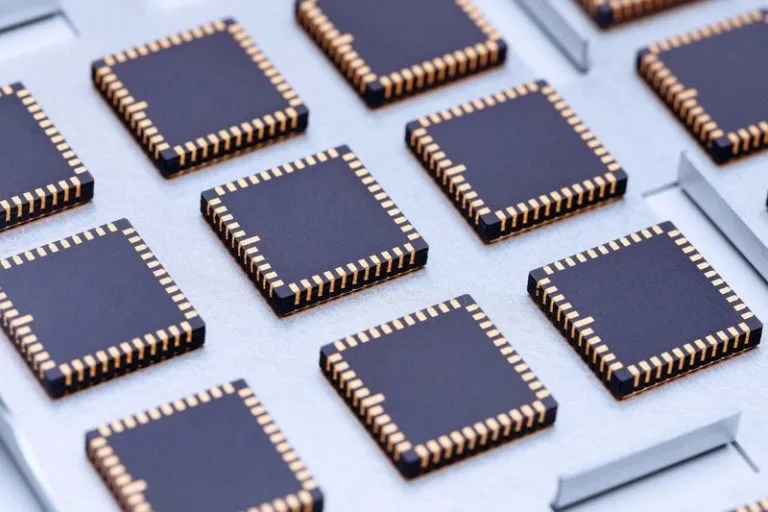
Advancements in CFET Technology Promise Faster, Smaller, and More Reliable Semiconductor Transistors
July 21, 2026
Google has released updated statistics revealing that a significant portion of Android devices are currently at risk due to a lack of recent security updates. According to Google’s latest data, only 58 percent of smartphones globally are running current versions of the Android operating system that continue to receive critical security patches.
This leaves more than 40 percent of Android devices—amounting to over one billion smartphones worldwide—without ongoing patch support. As a result, these devices remain vulnerable to discovered security flaws without any forthcoming fixes from Google or device manufacturers.
The Android ecosystem is well known for its fragmentation, with numerous device makers and varied hardware configurations complicating timely software updates. The updated statistics from Google highlight the ongoing challenge of delivering security patches across this fragmented landscape.
Devices running outdated Android versions are increasingly exposed to exploits and malicious attacks that take advantage of unpatched vulnerabilities. The absence of critical updates not only threatens user data but also raises concerns for organizations relying on mobile devices for business operations.
Google’s report serves as a reminder of the importance of keeping devices updated to the latest supported Android versions. However, due to manufacturer and carrier update policies, many devices are left behind despite the availability of new software.
Experts advise consumers to regularly verify their device’s OS version and update status to mitigate security risks. Additionally, considering newer devices with longer update support lifecycles may help reduce vulnerability exposure over time.
The expanding gap in secure Android device coverage underscores the ongoing need for improved industry-wide coordination to address update delays and extend device support where possible.
More than 40% of Android smartphones no longer receive critical security updates, exposing over a billion devices worldwide to vulnerabilities.