Vivo X300 E Launches Soon with Zeiss Optics and Massive 7200mAh Battery
July 20, 2026
Google has announced a renewed commitment to utilizing multiple generations of Intel Xeon processors within its data centers dedicated to artificial intelligence (AI) workloads. This move highlights an expansion of the long-standing collaboration between the technology giant and Intel, dating back nearly thirty years to Google’s initial investments in server hardware infrastructure.
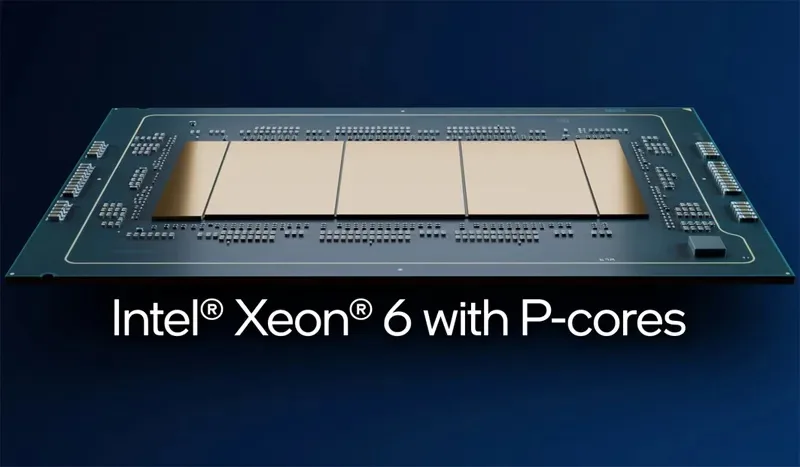
The decision involves deploying Intel’s latest Xeon 6 processors to handle demanding AI tasks such as neural network training and inference. By integrating these advanced processors, Google aims to enhance computational efficiency and performance in AI model development and deployment across its extensive cloud services.
This strategic choice signals a broader industry shift as Intel strengthens its presence in AI computing. Historically, Nvidia has been a dominant force in the AI hardware space, particularly concerning graphics processing units (GPUs) tailored for machine learning applications. Nonetheless, Google’s adoption of Intel Xeon chips may suggest a diversification of hardware options for large-scale AI operations, potentially encouraging innovation and competition in the server processor market.
Intel’s Xeon processors have been a foundation of Google’s server architecture for decades, supporting a wide array of computing needs beyond AI. Their integration into AI-centric data centers underscores their adaptability and performance in evolving computational roles. The newer iterations of Xeon processors bring enhancements that cater specifically to the parallel processing and high throughput requirements of AI training and inference tasks.
As artificial intelligence continues to permeate various industries and use cases, infrastructure providers like Google must invest in robust, scalable, and efficient hardware solutions. The commitment to Intel Xeon chips reflects both a trusted relationship and a strategic alignment favoring processor technologies that can meet the increasing demands of cutting-edge AI workloads.
Details about the scope of the deployment, specific technical specifications, or pricing arrangements have not been disclosed. However, this development highlights ongoing efforts to optimize AI data center capabilities by integrating processors designed to handle sophisticated machine learning models at scale.
Google has committed to using several generations of Intel Xeon processors in its AI-focused data centers, reinforcing its long-term partnership with Intel.