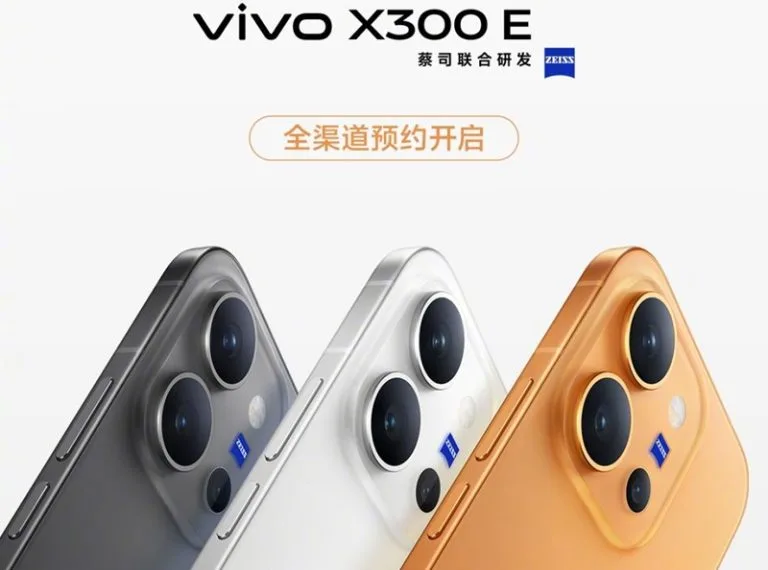
Vivo X300 E Launches Soon with Zeiss Optics and Massive 7200mAh Battery
July 20, 2026
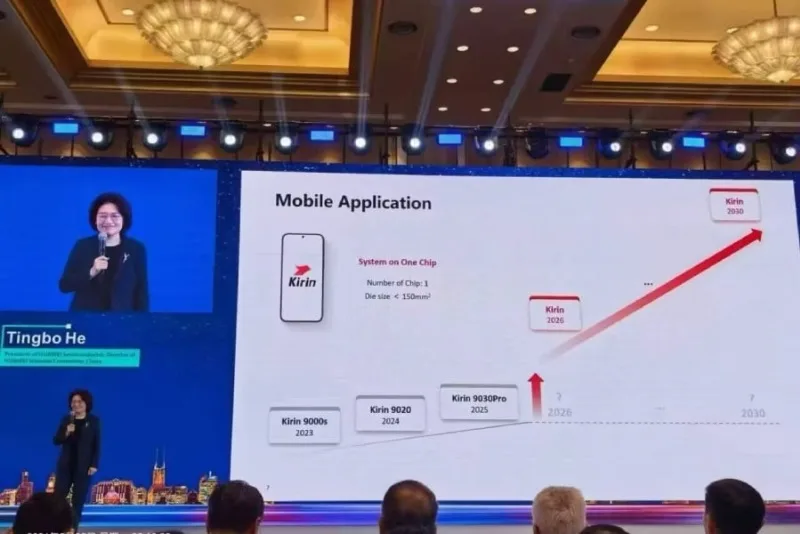
During the 2026 International Symposium on Circuits and Systems (ISCAS), Huawei introduced its upcoming flagship mobile processor, the Kirin 2026. This new chipset highlights the company’s evolving semiconductor strategy under increasing geopolitical pressures.
Huawei disclosed ambitious plans for its semiconductor division despite persistent restrictions imposed by the U.S. government. Central to the company’s approach is a concept dubbed the “Tau Scaling Law,” which outlines a new framework for chip development and scaling. Huawei aims to leverage this methodology to sustain innovation and counter external challenges.
The Kirin 2026 processor marks a significant evolution in Huawei’s chipset lineup, introducing a sophisticated dual-layer architecture. While specific performance details were not revealed, the design suggests enhanced efficiency and scalability aimed at addressing the growing demands of mobile computing.
The dual-layer architecture employed in Kirin 2026 likely reflects Huawei’s efforts to optimize transistor density and manage power consumption more effectively. This approach fits within the broader industry trend toward multilayer and 3D integrated circuits that seek to break past the limitations of traditional planar designs.
By unveiling the Kirin 2026 at ISCAS 2026, Huawei is signaling its determination to maintain competitiveness in the global semiconductor arena, focusing heavily on research and innovation despite supply chain constraints and technological embargoes.
Details regarding the processor’s core configuration, manufacturing process, and deployment timeline were not disclosed. However, the public reveal at a prominent engineering conference suggests Huawei is prepared to share its progress and foster collaboration within the scientific and technical communities.
Overall, the Kirin 2026 processor represents a key milestone in Huawei’s ongoing effort to advance mobile processor technology through novel chip architectures and scaling principles. Observers will be watching closely to see how these developments influence the future of mobile SoCs amid evolving international trade dynamics.
Huawei reveals its next-generation Kirin 2026 chip with an innovative dual-layer design, showcasing its semiconductor roadmap amid ongoing US sanctions.