Advancements in CFET Technology Promise Faster, Smaller, and More Reliable Semiconductor Transistors
July 21, 2026
In a market where smartphone screen sizes increasingly approach seven inches, the relevance of compact tablets has come under question. The era of popular seven-inch tablets peaked in the mid-2010s and has since faded, pushing many consumers toward either large smartphones or traditional tablets around 10 inches or more.
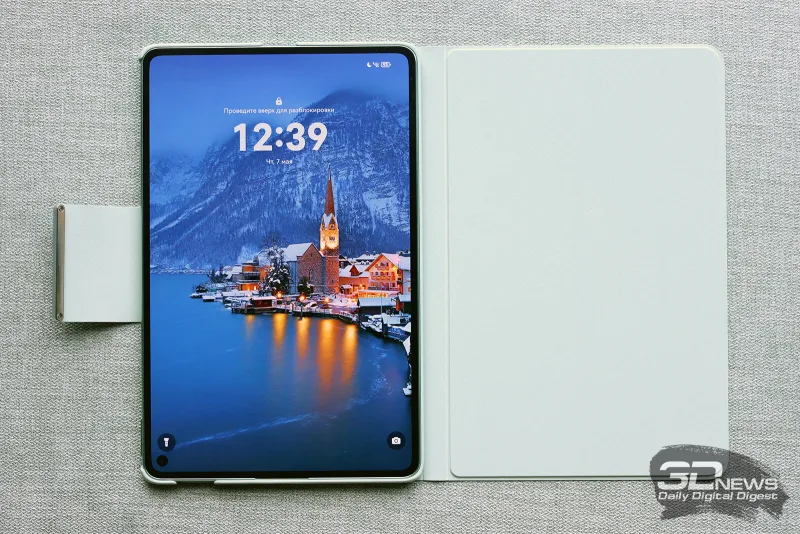
Huawei has introduced its MatePad Mini, positioned to occupy the space between oversized smartphones and conventional tablets. This device aims to bring a blend of portability and functionality, targeting users who find current options either too large or too small for their needs.
Smartphones have steadily increased in size over the past decade, offering displays capable of accommodating many tasks that once required a tablet. As a result, seven-inch tablets saw diminished demand, with many consumers preferring larger phones over smaller tablets. Meanwhile, standard tablets with larger displays continue to cater to productivity, media consumption, and creative work.
Huawei’s MatePad Mini responds to this market dynamic by providing a device that offers more screen real estate than a large smartphone but remains more portable than a full-sized tablet. Its design philosophy acknowledges the void left in the compact tablet segment.
This strategic positioning aligns with growing consumer interest in devices that balance convenience with capability, without sacrificing portability. While details on specs, pricing, and availability have not been disclosed, the MatePad Mini represents an effort to revive and redefine the compact tablet category within current mobile ecosystem trends.
By offering a middle ground, Huawei taps into a niche that may appeal to users who seek a device that complements their smartphone without fully shifting to a larger tablet form factor. This approach also reflects the evolving needs and preferences in personal and mobile computing landscapes.
Huawei’s MatePad Mini aims to fill the gap between oversized smartphones and conventional tablets with a compact yet versatile form factor.